The Pinch of Nutmeg in Savory Dishes
Long before gourmet cooking shows, home cooks knew that a tiny grating of nutmeg was the secret to making a basic white sauce or a spinach side dish taste professional. It wasn't about the spice itself, but how it enhanced the creaminess of the dairy. This little trick added a layer of depth that guests could never quite put their finger on. It works beautifully in mashed potatoes or even a hearty beef stew.
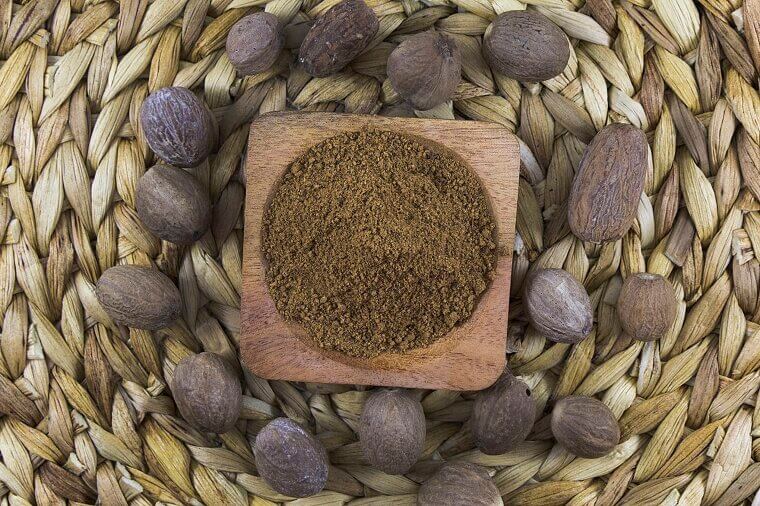
It provides a warm, subtle aromatic quality that cuts through richness without making the dish taste like a dessert or a holiday treat.
Reserved Bacon Grease for Sautéing
In a mid-century kitchen, nothing went to waste, especially not the liquid gold left over after breakfast. Grandmothers kept a tin or glass jar by the stove specifically for bacon drippings. They used this smoky, salty fat to sauté green beans, fry eggs, or season a cast-iron skillet. It provided a savory foundation that oil or butter simply couldn't replicate. This practice added a "built-in" smoked flavor to vegetables that otherwise might have been bland.

It was the ultimate budget-friendly way to ensure every single meal had a rich, comforting, and deeply homemade profile.
A Spoonful of Instant Coffee in Chocolate Cake
Grandma knew that if you wanted a chocolate cake to taste truly decadent, you didn't just add more cocoa; you added a teaspoon of instant coffee granules or a splash of cold brew. The science behind this is fascinating because the bitterness of the coffee acts as a flavor enhancer for the cacao bean. It doesn't make the cake taste like a latte; instead, it deepens the chocolate notes, making them darker and more intense.
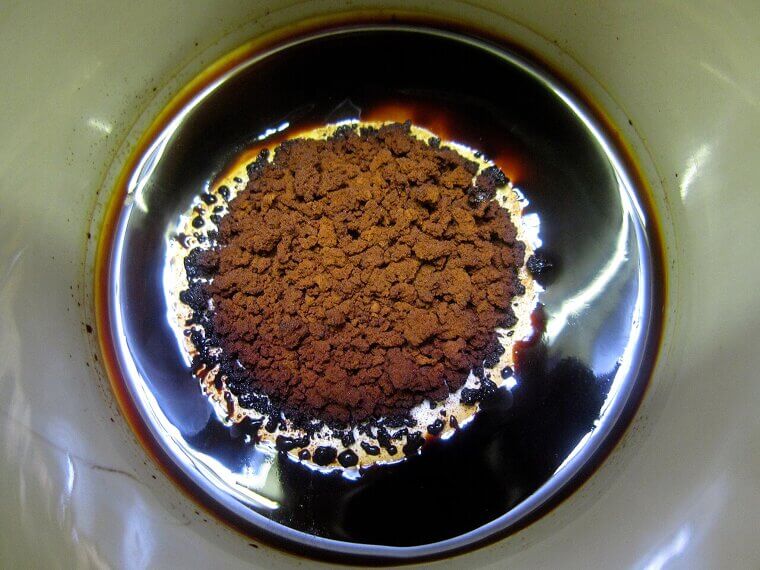
This was a staple secret for those famous "Devil’s Food" cakes that always seemed to disappear first at the local church potluck.
Souring Milk With Vinegar for Pancakes
Before buttermilk was a grocery store staple, our grandmothers created their own chemical reaction to ensure pancakes were light and fluffy. By adding a tablespoon of white vinegar or lemon juice to a cup of regular milk and letting it sit for five minutes, they created "clabbered milk." The acidity would react with the baking soda in the batter, creating tiny carbon dioxide bubbles. These bubbles are what gave the pancakes that signature lift and airy texture.
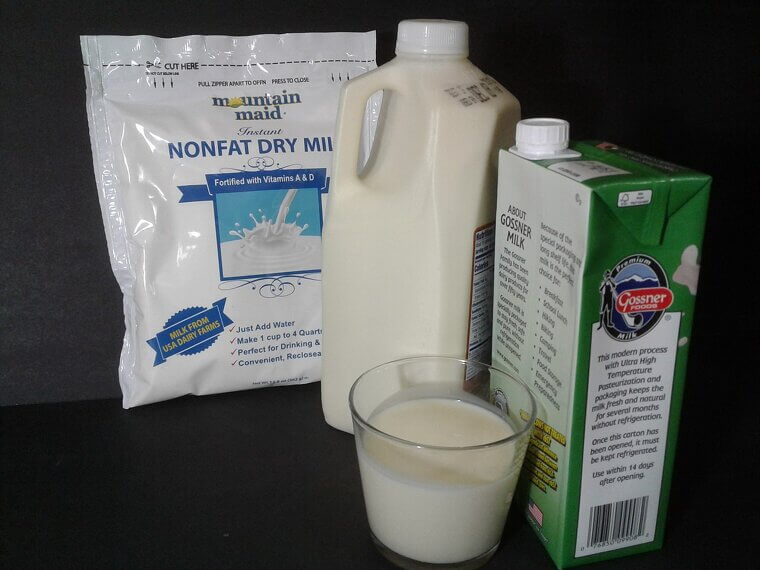
It was a simple, clever way to use pantry staples to achieve a professional-level breakfast result every time.
A Grating of Potato in Meatloaf
To keep a meatloaf moist and prevent it from shrinking too much in the oven, many grandmothers reached for a humble potato. Instead of relying solely on breadcrumbs, which can sometimes result in a dry or overly dense loaf, they would finely grate a raw potato into the meat mixture. As the meatloaf cooked, the potato starch acted as a natural binder, locking in the juices and providing a silky texture.
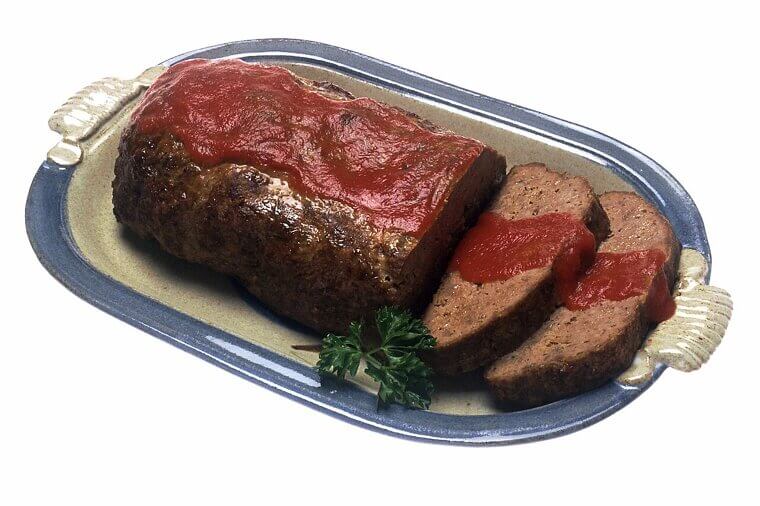
This was also an excellent way to stretch a pound of meat to feed a larger family during lean times without sacrificing any flavor.
The Dash of Sugar in Tomato Sauce
While it might seem counterintuitive to put sugar in a savory dinner, a small pinch was the secret to a perfectly balanced tomato sauce. Home-grown or canned tomatoes can often be quite acidic or "sharp" on the tongue. A teaspoon of granulated sugar works to neutralize that acidity, rounding out the flavor and bringing out the natural sweetness of the fruit. This trick ensured the sauce tasted mellow and slow-cooked.
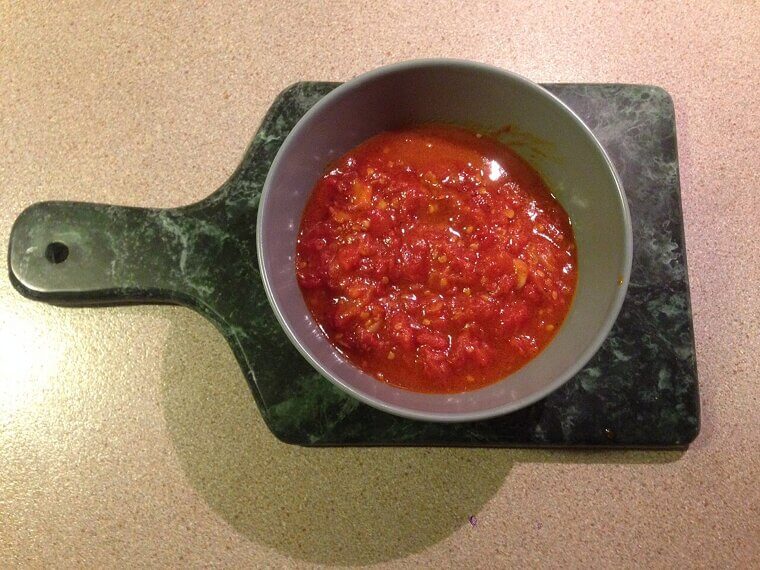
Even if it had only been simmering for thirty minutes. It created that "Sunday Gravy" depth that made everyone ask for second helpings.
A Splash of Pickle Juice in Potato Salad
When a potato salad felt like it was missing that certain "zing," the answer was usually sitting right in the pickle jar. Instead of just using plain vinegar, grandmothers would stir in a few tablespoons of the brine from the dill pickles. This liquid is packed with salt, vinegar, and a variety of infused herbs like dill, garlic, and mustard seed. It seasoned the potatoes from the inside out.
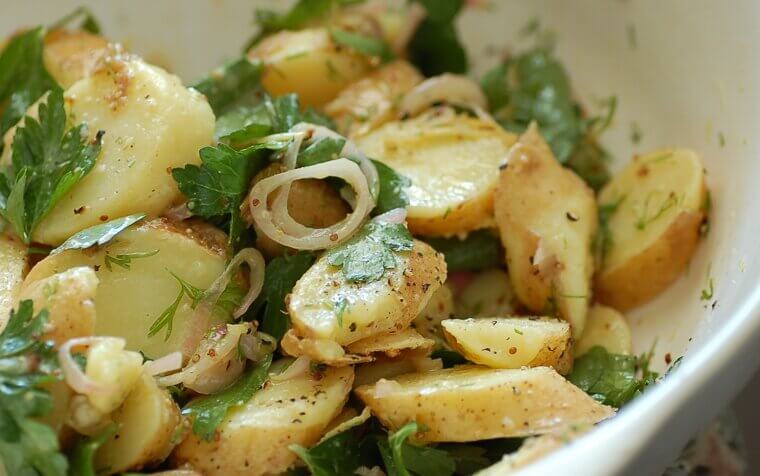
And provided a complex tang that balanced the heavy creaminess of the mayonnaise. It was a brilliant way to recycle ingredients while elevating a classic side dish.
Dry Mustard Powder in Macaroni and Cheese
Standard yellow mustard was for hot dogs, but dry mustard powder was the secret weapon for the ultimate cheese sauce. Adding just half a teaspoon to the roux-based sauce didn't make the dish taste like mustard; rather, it provided a subtle "bite" that cut through the heaviness of the cheese and milk. It enhanced the sharpness of the cheddar, making the whole dish feel more vibrant and sophisticated.

This small addition is what separated a bland, floury pasta dish from the rich, tangy comfort food that defined many childhood memories at Grandma’s dinner table.
Evaporated Milk for Extra-Creamy Scrambled Eggs
For eggs that felt like they came from a high-end restaurant, the secret was often a can from the pantry. Evaporated milk has a lower water content than fresh milk, meaning it is more concentrated and "sturdy." When whisked into eggs before hitting the pan, it created a rich, velvety texture that wouldn't weep or become watery. This was especially helpful when cooking for a crowd, as the eggs stayed fluffy and moist for longer.
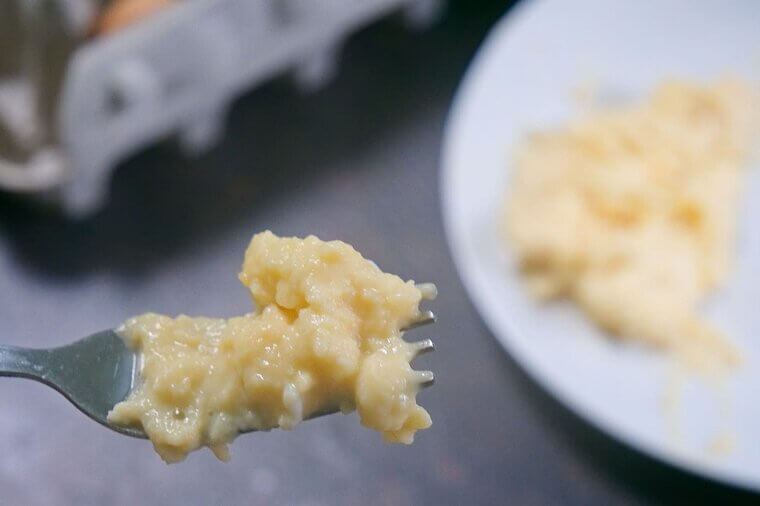
It added a luxurious mouthfeel that made a simple breakfast feel like a special, indulgent occasion for the whole family.
A Tablespoon of Mayonnaise in Cake Batter
It sounds unusual, but adding a dollop of mayonnaise to a chocolate or vanilla cake mix was a common mid-century trick for extreme moisture. Since mayonnaise is essentially an emulsion of oil and egg yolks, it provides a consistent fat source that keeps the crumb of the cake tender for days. It was particularly popular during times when fresh eggs or butter were expensive or scarce.
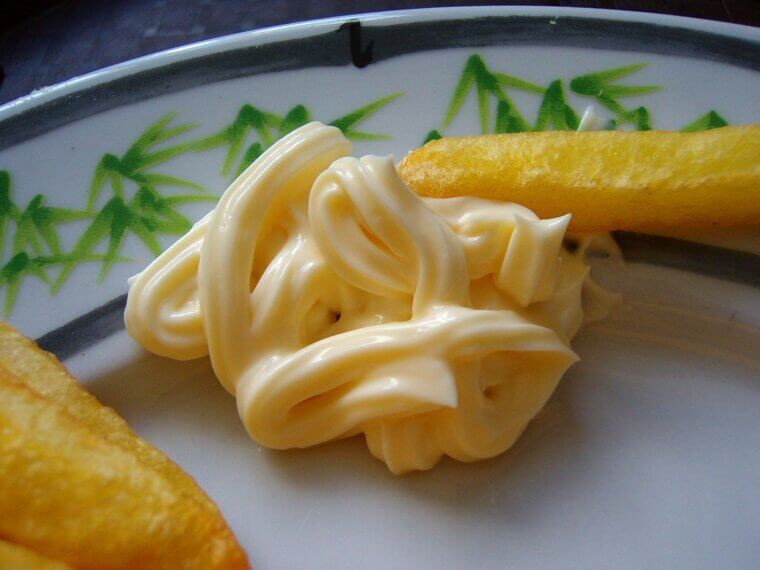
The vinegar in the mayo also helped the leavening agents work better, resulting in a cake that was both incredibly moist and surprisingly light in its overall structure.
Almond Extract in Cherry Pie
While vanilla is the standard, grandmothers knew that almond extract was the "booster" for anything involving stone fruits. Adding a few drops to a cherry pie or a peach cobbler creates a floral, nutty undertone that emphasizes the fruit's natural brightness. There is a chemical similarity between the pits of these fruits and the flavor of almonds, which is why they pair so perfectly.
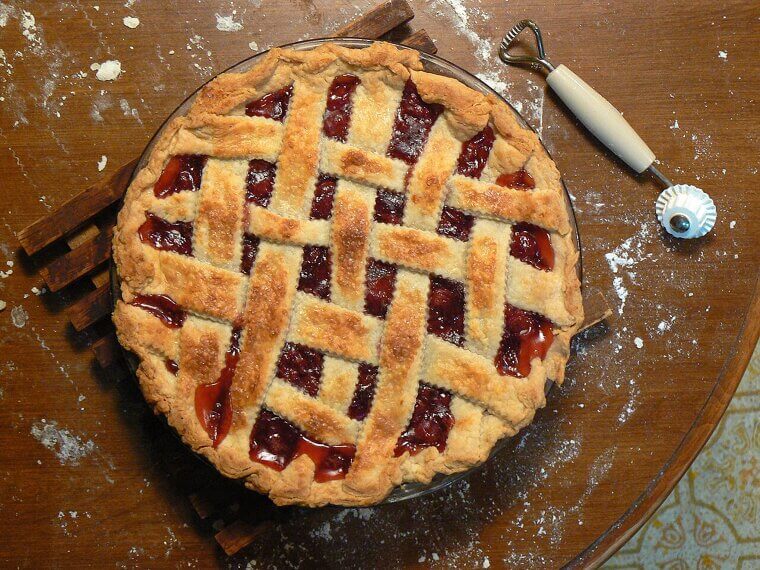
This secret ingredient made the fruit filling taste more "cherry-like" than the fruit alone could manage, providing a professional bakery aroma that filled the entire house while the pie baked.
Cold Butter Shavings in Pie Crust
The secret to a flaky crust wasn't just the recipe; it was the temperature of the fat. Grandmothers would often freeze their butter and then grate it into the flour using a cheese grater. These tiny, frozen shards of butter would create miniature steam pockets as the crust baked in the hot oven. Those steam pockets are exactly what create the layers and "flakes" that define a perfect pastry.
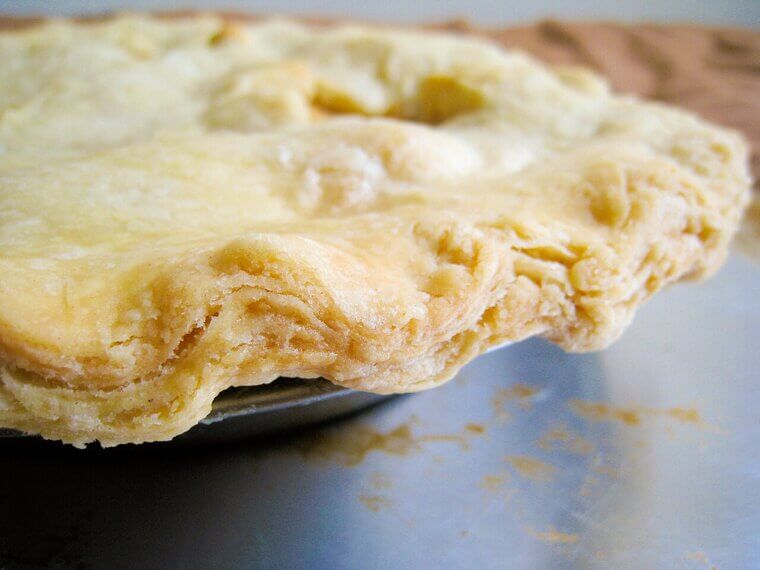
By keeping the butter as cold as possible until the very last second, they ensured the crust was crisp and light rather than tough, oily, or unpleasantly crumbly.
Adding a Bay Leaf to the Boiling Potatoes
Most people save bay leaves for soups and stews, but a clever grandmother would drop one into the pot when boiling potatoes for mashing. As the potatoes simmered, they would gently absorb the herbal, slightly peppery essence of the leaf. Once drained and mashed with butter and milk, the potatoes had a faint, sophisticated aroma that made them stand out from standard fare.
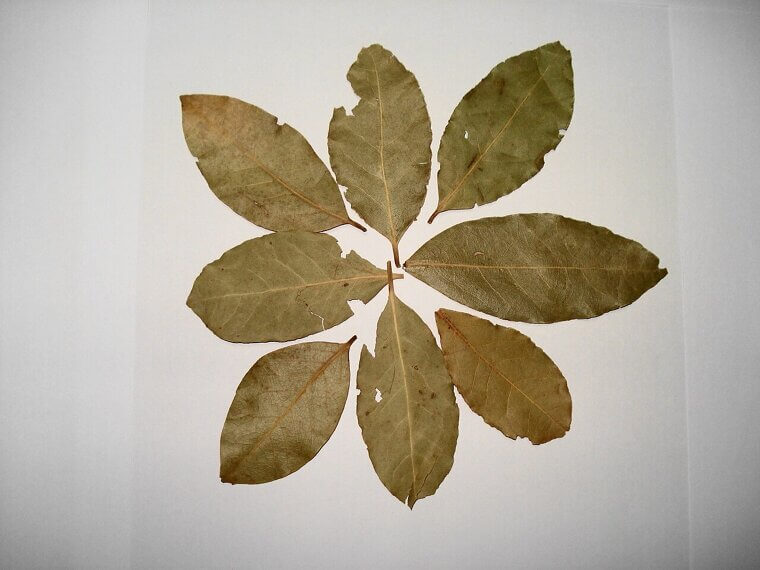
It was a low-cost way to add a "herbes de Provence" feel to a basic staple, proving that great cooking is often about the subtle infusion of aromatics during the cooking process.
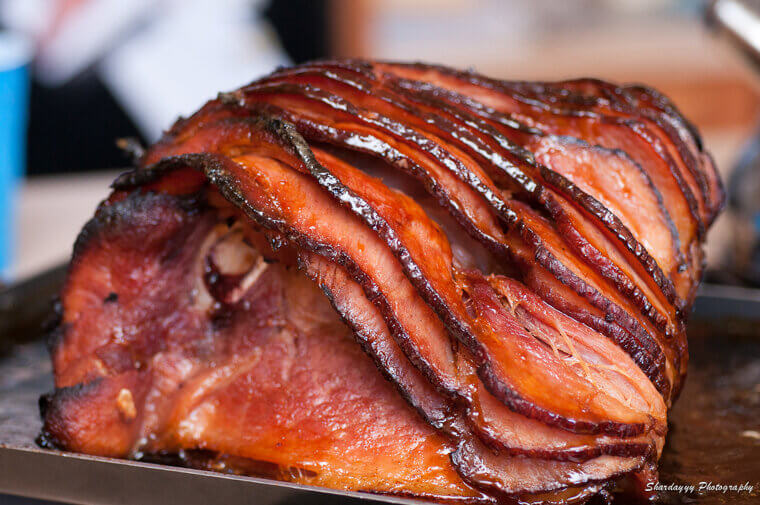
Ginger Ale in the Ham Glaze
When it came to holiday hams, many home cooks skipped the fancy wine and reached for a bottle of ginger ale. The carbonation helped to tenderize the exterior of the meat, while the ginger and sugar created a beautiful, sticky caramelization. When combined with brown sugar and cloves, the soda transformed into a thick, glossy glaze that gave the ham a sweet and spicy kick.

This was a classic example of "pantry cooking," where a common household beverage was repurposed to create a centerpiece dish that looked and tasted like it took hours of preparation.
Maraschino Cherry Juice in Frosting
To get that perfect, nostalgic pink hue and a hint of fruity sweetness, grandmothers didn't always reach for artificial food coloring. Instead, they would use a teaspoon or two of the vibrant red liquid from a jar of maraschino cherries. This was particularly popular for birthday cakes or Valentine's Day treats. It gave the buttercream a subtle, sweet flavor that children loved and a beautiful pastel glow that felt festive and homemade.

It was an easy way to add both color and character to a dessert using something that was already in the refrigerator door.
A Pinch of Baking Soda in Caramel
When making homemade caramel sauce or peanut brittle, a tiny pinch of baking soda was the secret to a perfect texture. When added to the hot, melted sugar, the baking soda creates a chemical reaction that produces tiny air bubbles. This makes the caramel more porous and "snappy" rather than rock-hard and difficult to bite. It also helps to mellow the acidity of the cooked sugar, resulting in a smoother, more rounded flavor profile.
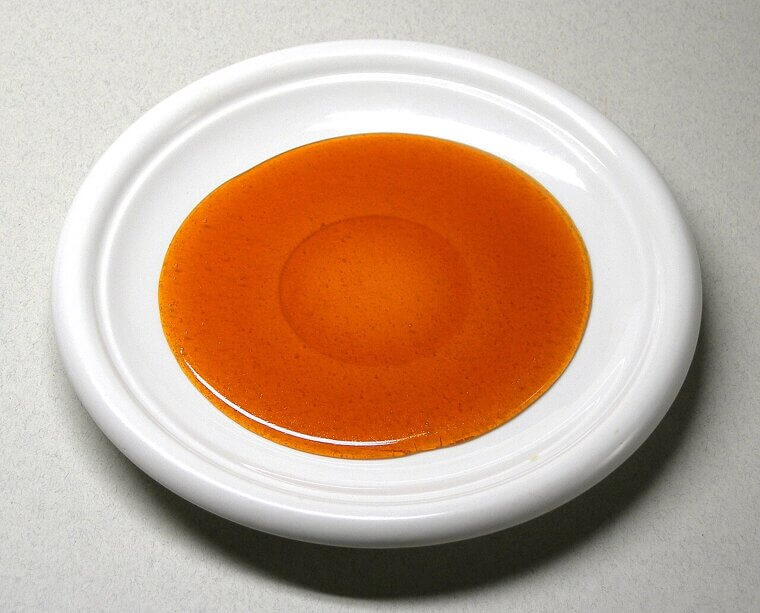
This simple scientific addition ensured that Grandma’s holiday candies were always the easiest to chew and the most delicious to eat.
Using Potato Water for Bread Dough
Whenever potatoes were boiled, the cloudy water left behind was never poured down the drain. Instead, it was saved to be used as the liquid base for homemade bread or rolls. The leftover starch in the water acted as a natural dough conditioner, feeding the yeast and helping the bread rise higher. It also resulted in a softer, more moist interior crumb and a golden-brown crust.
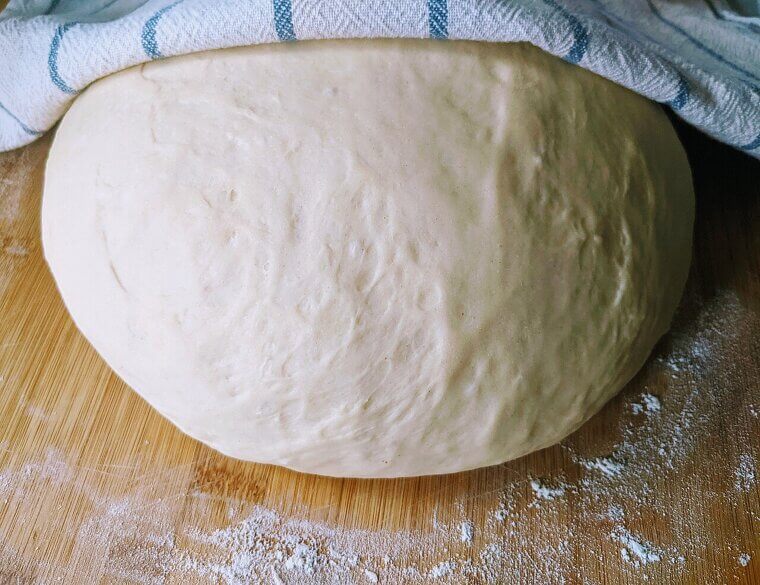
This "waste not, want not" approach led to some of the light and airy dinner rolls that became legendary at family gatherings and holiday dinners.
A Teaspoon of Vinegar in Boiled Rice
To ensure that rice came out snowy white and perfectly fluffy with individual grains, many grandmothers added a teaspoon of white vinegar to the boiling water. The acid helps to break down some of the surface starches that can make rice sticky or gummy. It doesn't leave a sour taste behind; instead, it simply results in a cleaner, more professional-looking side dish. This was a particularly helpful trick when working with older batches of rice.
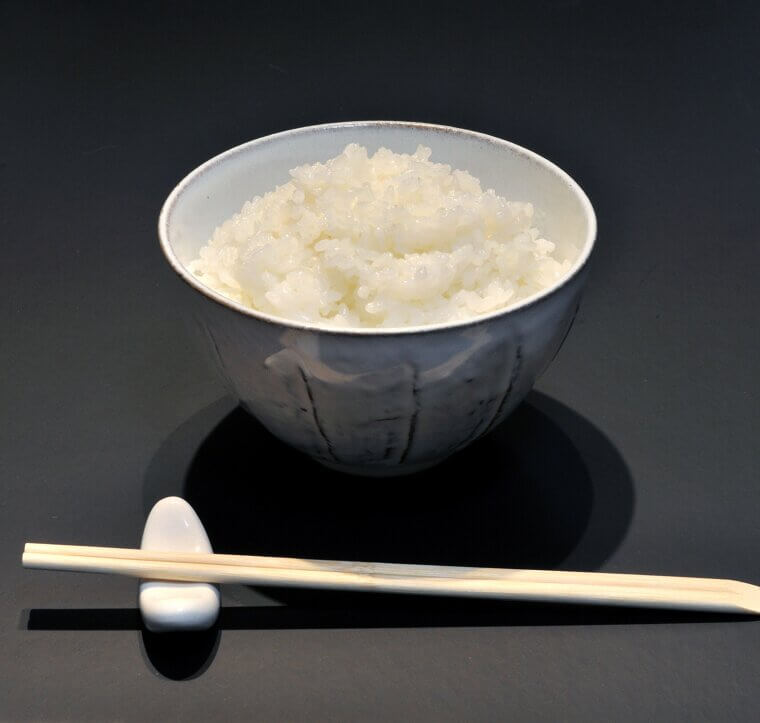
Or when the cook wanted to ensure the rice looked beautiful next to a dark, rich gravy or stew.
Crushed Saltine Crackers as Breading
While modern recipes often call for Panko or Italian breadcrumbs, the classic choice for many years was the humble Saltine cracker. Grandmothers would put the crackers in a cloth bag and crush them with a rolling pin until they were fine but still had some texture. This created a salty, buttery coating for fried chicken or pork chops that was significantly crispier than standard flour.
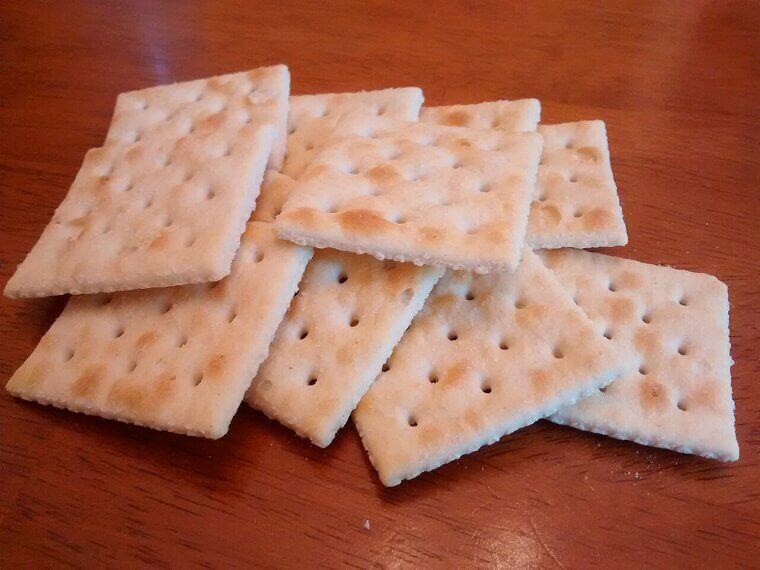
The crackers already contained fat and seasoning, which transferred directly to the meat, resulting in a golden-brown crunch that became the hallmark of traditional American home-style cooking.
Adding Lemon Zest to Apple Pie
To prevent an apple pie from tasting "one-note" or overly sugary, the secret was often the bright yellow rind of a lemon. A bit of fresh zest mixed into the apple slices provided a necessary acidic counterpoint to the warm cinnamon and heavy sugar. It brightened the entire flavor profile, making the apples taste fresher and more vibrant. This tiny addition transformed a standard dessert into something that felt refreshed and balanced.
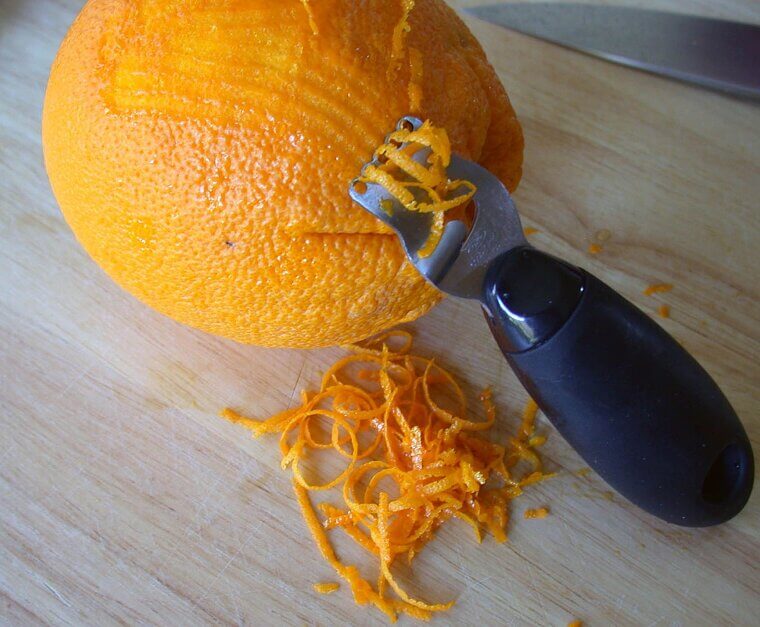
It’s a classic culinary technique that proves how a small amount of citrus can completely change the perception of sweetness in a baked good.
A Dollop of Sour Cream in Scrambled Eggs
Similar to the evaporated milk trick, many grandmothers swore by a tablespoon of sour cream whisked into their eggs. This added a slight tang that cut through the richness of the yolks, while the extra fat content ensured the eggs remained incredibly creamy. It prevented the eggs from drying out, even if they sat on a warming plate for a few minutes.
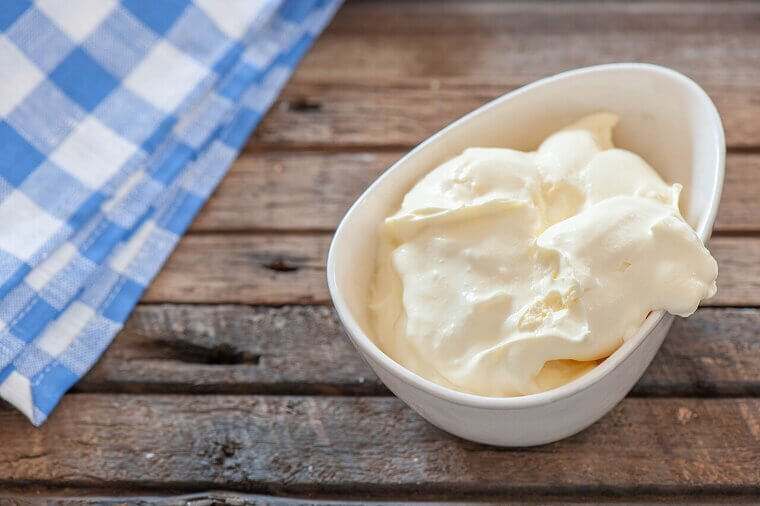
This was often the "secret" to why breakfast at a grandmother's house always felt a little more luxurious and satisfying than a quick bowl of cereal or a piece of plain toast.
Using a Rind of Parmesan in Soup
Grandmothers knew that the hard, seemingly inedible end of a wedge of Parmesan cheese was actually a flavor bomb. Instead of tossing it, they would drop the clean rind into a simmering pot of minestrone or vegetable soup. As the soup cooked, the rind would soften and release its salty, umami-rich essence into the broth, giving it a depth of flavor that salt alone could never achieve.
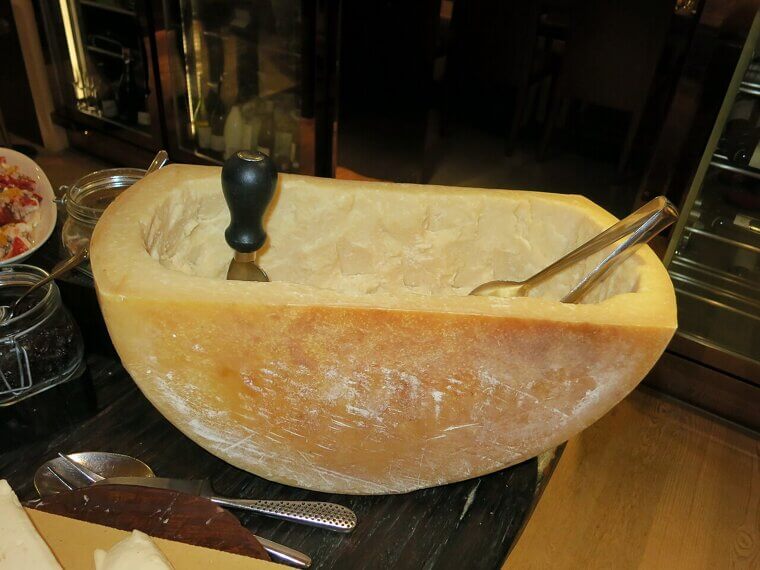
It provided a "meaty" quality to vegetarian soups and acted as a natural thickener. Before serving, the softened rind was simply fished out and discarded.
A Spoonful of Molasses in Baked Beans
For that deep, dark, and smoky flavor that defines traditional baked beans, the secret was always a slow-pour of molasses. Unlike white sugar, which just adds sweetness, molasses provides a complex, slightly bitter, and earthy tone. It caramelizes beautifully during the long hours in the oven, creating a thick, syrupy coating that clings to the beans. This was the key to achieving that "all-day" flavor that felt incredibly hearty.
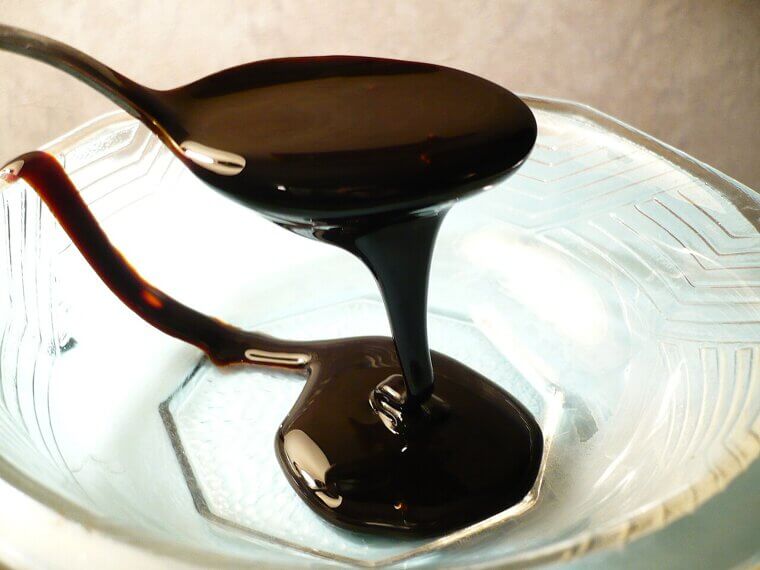
It reminded everyone of campfire cooking and simple, honest ingredients that were transformed through patience and the right touch of sweetness.
Using Coffee Creamer in Mashed Potatoes
In some households, if fresh cream wasn't available, the liquid coffee creamer (the unflavored kind) was the secret to the richest mashed potatoes on the block. Because these creamers are designed to be stable and high in fat, they gave the potatoes a silky, almost "whipped" consistency. It was a clever substitution that ensured the side dish felt special even on a Tuesday night.
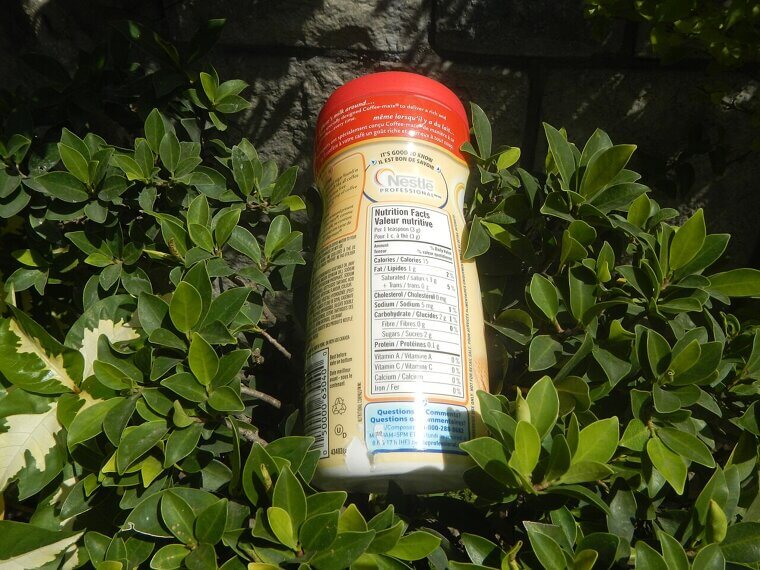
The slight sweetness in some creamers actually helped to bring out the natural flavor of the potatoes, creating a unique and addictive savory-sweet balance that kept people coming back for more.
A Pinch of Salt in Hot Cocoa
It might seem odd to add salt to a sweet drink, but grandmothers knew it was essential. A tiny pinch of salt in a mug of homemade hot cocoa suppresses the bitterness of the chocolate and actually makes the sugar taste sweeter. It creates a more "rounded" flavor that feels full-bodied rather than just sugary. This simple addition is what made Grandma’s cocoa feel so much more satisfying than the instant packets.

It’s a basic rule of flavor science: a little bit of salt helps your taste buds perceive all the other flavors more intensely.
Coating Raisins in Flour Before Baking
Anyone who has ever baked a loaf of raisin bread only to find all the fruit at the bottom knows the struggle. The grandmother's secret was to toss the raisins (or any dried fruit) in a tablespoon of flour before adding them to the batter. This light coating of flour gave the fruit some "grip," allowing it to stay suspended in the dough while it baked.
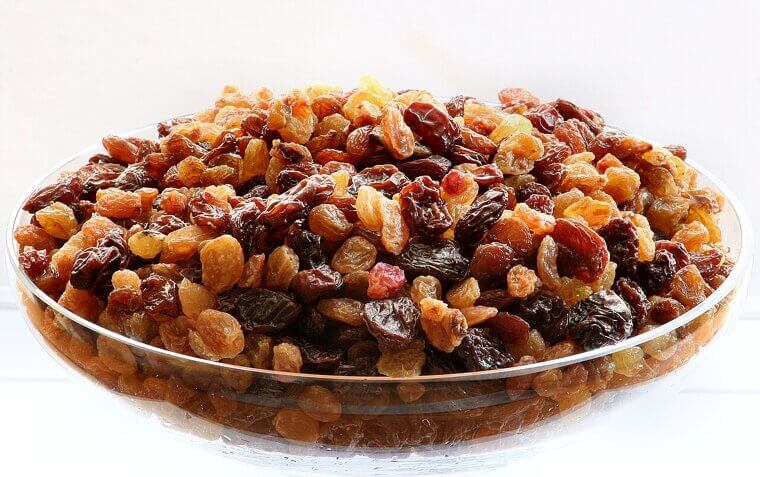
This ensured every single slice of bread or cake had an even distribution of sweetness. It was a simple, no-cost solution to a common baking problem that ensured professional results.
A Dash of Worcestershire in Gravy
When a gravy looked a little pale or tasted a bit flat, a dash of Worcestershire sauce was the immediate fix. This fermented condiment contains anchovies, tamarind, and vinegar, providing an instant hit of umami and a darker, more appetizing color. It helped to bridge the gap between the meat drippings and the flour, creating a more cohesive and "beefy" flavor. Grandmothers used it as a "corrective" ingredient.

It ensured that no matter how the roast turned out, the gravy would always be the star of the plate, rich and full of character.
Rubbing the Salad Bowl With Garlic
Before "garlic breath" was a concern, grandmothers knew how to impart a subtle garlic flavor without it being overwhelming. They would take a peeled clove of garlic and rub it vigorously all over the inside of a wooden salad bowl before adding the greens and dressing. As the salad was tossed, the greens would pick up just a hint of that garlic essence from the sides of the bowl.
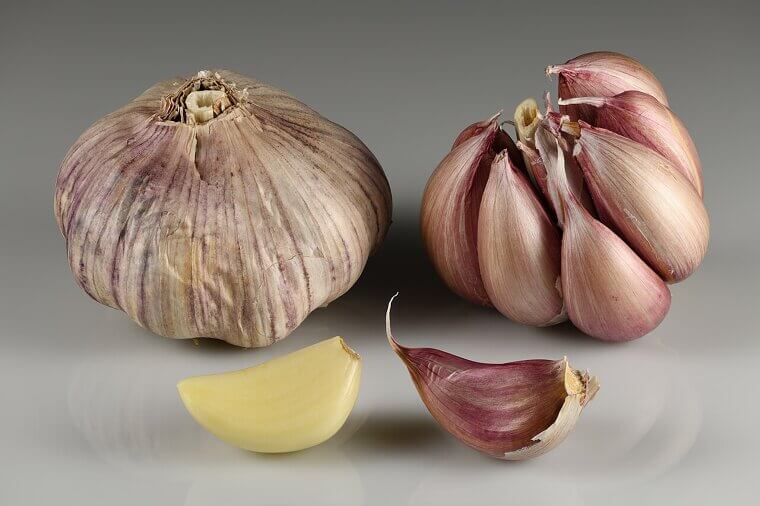
This resulted in a sophisticated, aromatic salad that had a "hidden" layer of flavor that guests loved but couldn't quite identify as a specific ingredient.
Using Jelly to Sweeten Meat Glazes
Whether it was apricot preserves on chicken or currant jelly in a Swedish meatball sauce, grandmothers loved using fruit spreads in savory cooking. The pectin in the jelly helped to thicken the sauce and give it a glossy, professional-looking sheen. At the same time, the concentrated fruit flavor provided a beautiful sweetness that paired perfectly with salty meats. This was a quick way to create a "gourmet" sauce using something that was already sitting in the fridge.
It proved that versatility was the hallmark of a truly experienced home cook - and that grandma knew what she was doing.
Adding a Tsp of Cornstarch to Omelets
To get those sky-high, fluffy omelets that looked like they were served in a fancy diner, many grandmothers added a tiny bit of cornstarch to the egg mixture. The cornstarch acts as a stabilizer, preventing the eggs from becoming tough or rubbery when they hit the heat. It also helps to hold the air bubbles in place, ensuring the omelet stays puffed up even after it leaves the pan and hits the plate.
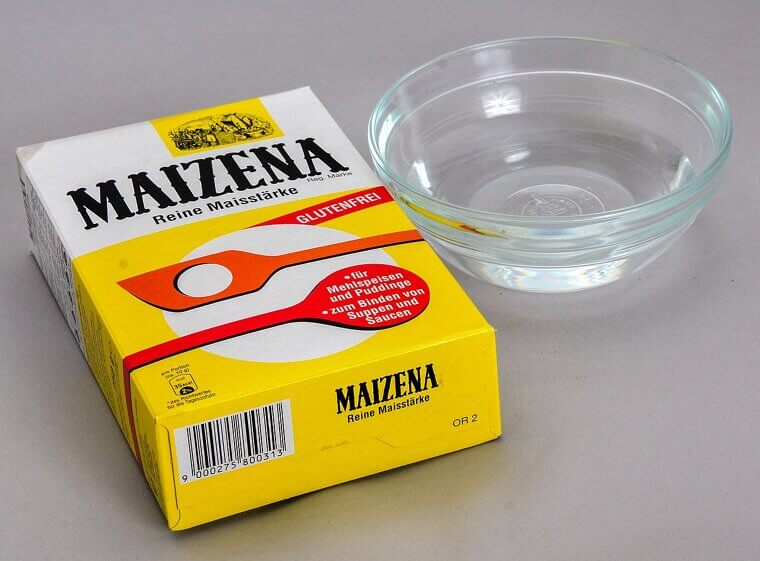
This little trick made a simple two-egg breakfast look like a substantial, impressive meal that felt light as air.
Cooking Corn on the Cob With Milk and Sugar
Instead of just plain salted water, some grandmothers would add a cup of milk and a tablespoon of sugar to the pot when boiling fresh corn. This reportedly helped to draw out the natural sweetness of the kernels and gave the corn a creamier, more tender texture. It was a favorite trick during the height of summer when the corn was at its peak.
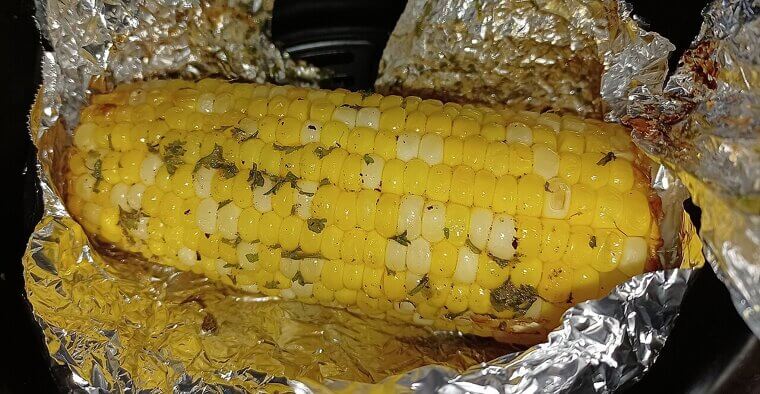
The milk helped to soften the outer skin of the corn, making it less "snappy" and more succulent, ensuring that every bite was as sweet and flavorful as possible.
A Splash of Carbonated Water in Tempura Batter
For the lightest, most "shatteringly" crisp fried vegetables or shrimp, the secret was often a bottle of seltzer or club soda. The bubbles in the carbonated water create tiny air pockets in the batter as it hits the hot oil. These pockets expand, creating a texture that is much lighter than a batter made with plain water or milk.

It was a simple application of physics that resulted in a delicate, golden coating that didn't feel heavy or greasy, making it a favorite for special Friday night "fried fish" dinners.
Using Browned Butter in Cookies
While most recipes just say "softened butter," the truly "pro" grandmothers would take the extra step of browning the butter in a pan first. By cooking the butter until the milk solids toasted and turned a deep amber color, they created a nutty, toffee-like flavor base. This added an incredible depth of flavor to standard chocolate chip or oatmeal cookies. Once the butter cooled back down to a solid state, it could be used just like regular butter.
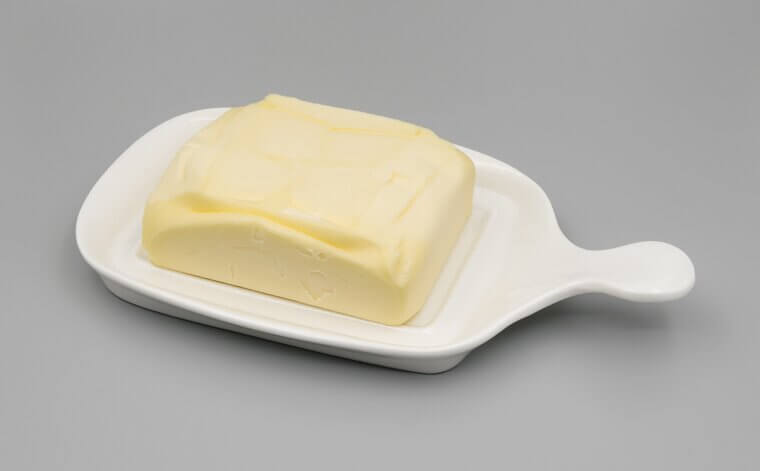
But with a flavor profile that was infinitely more complex and "expensive" tasting. So next time you're baking cookies, remember to brown that butter.
A Teaspoon of Honey in Pie Crust
To help a pie crust achieve a beautiful, even golden-brown color without overbaking it, a teaspoon of honey was often added to the dough. Honey is a humectant, meaning it holds onto moisture, which helps prevent the crust from becoming too brittle. It also contains natural sugars that caramelize quickly in the oven's heat, giving the pie that "picture-perfect" look. This was a subtle way to ensure the dessert looked as good as it tasted.
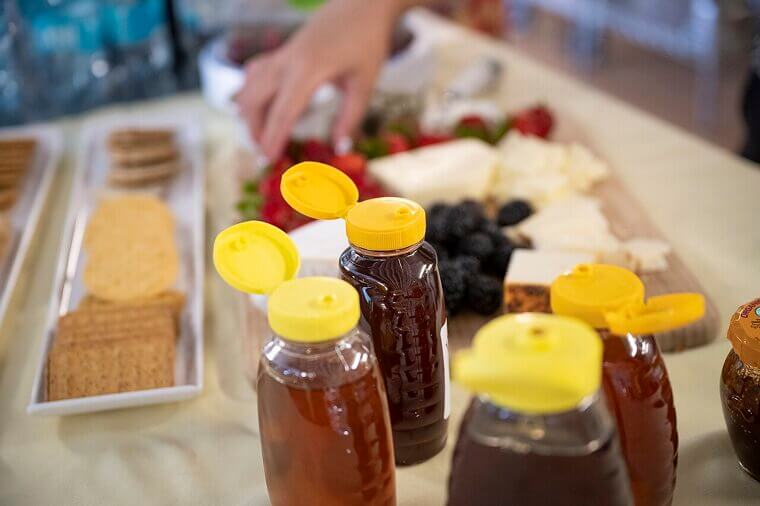
And it provided a slight floral sweetness that complemented fruit fillings perfectly without being overpowering.
The "Secret" Grated Onion in Hamburgers
To make a hamburger extra juicy and flavorful, grandmothers would often grate a small yellow onion directly into the ground beef. Because the onion was grated rather than chopped, it released its juices into the meat, acting as a natural tenderizer and moisture source. It also meant there were no large chunks of onion that might cause the patty to fall apart on the grill.
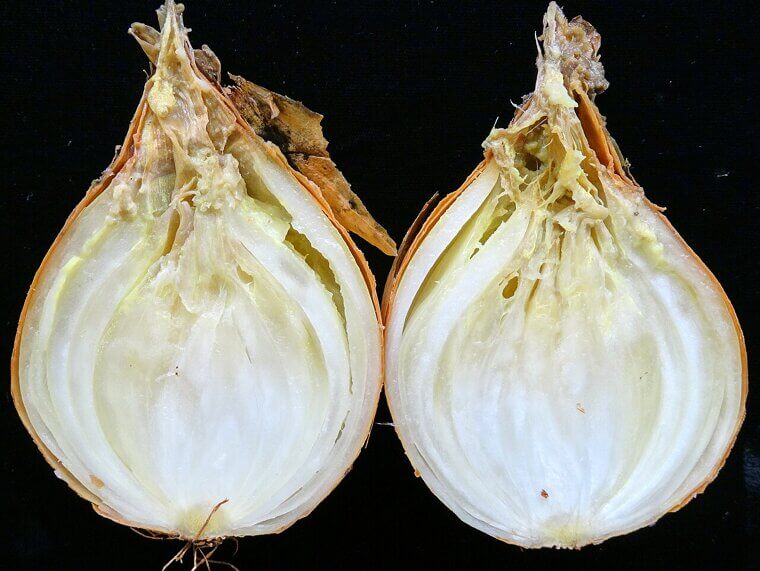
The result was a burger that was incredibly savory and stayed moist even if it was cooked to "well-done," which was the preference for many during that era.
Soaking Beans With a Piece of Kombu or Kelp
Though less common in all households, some grandmothers with a bit of "health food" knowledge or international influence would add a piece of dried kelp to the bean soaking water. This was allegedly done to help break down the complex sugars in the beans that cause digestive discomfort. While it didn't change the flavor significantly, it reportedly made the beans much easier to digest.
It was a piece of folk wisdom that aligned with modern understanding of enzymes, showing that many "old wives' tales" actually had a very solid basis in practical science.
Adding a Clove to the Rice Pudding
Rice pudding is a simple, humble dessert, but a single whole clove dropped into the simmering milk could transform it. The clove provides a warm, medicinal, and aromatic quality that makes the creamy rice feel much more "exotic" and festive. It’s a very strong spice, so grandmothers knew to use only one and to remove it before serving. This tiny addition provided a hauntingly beautiful scent that filled the kitchen.
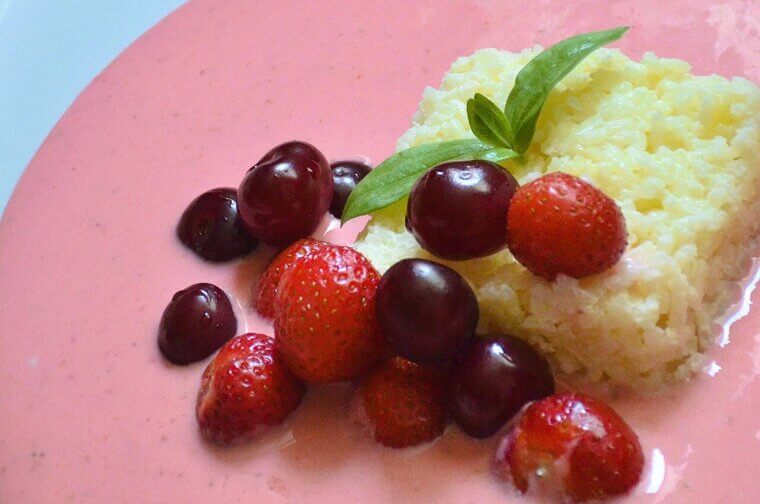
And it gave the pudding a sophisticated edge that made it feel like a true treat rather than just a way to use up leftovers.
A Dab of Butter on Top of Jam
When making homemade jam or jelly, a common problem is the "foam" that rises to the top during the boiling process. Instead of spending time skimming it off, grandmothers would add a small dab of butter to the pot. The fat in the butter breaks the surface tension of the bubbles, causing the foam to disappear almost instantly. This ensured the finished jam was clear, bright, and beautiful in the jar.

It was a clever "hack" that saved time and effort while ensuring a high-quality finished product that was ready for the pantry.
Using Yeast in Pancake Batter
While most people used baking powder for speed, the grandmothers who wanted the absolute best pancakes would use a tiny bit of yeast and let the batter sit overnight. This "raised" pancake had a complex, slightly fermented flavor—almost like a mild sourdough—and a texture that was incredibly springy and light. It took a bit more planning, but the result was a breakfast that felt substantial and special.
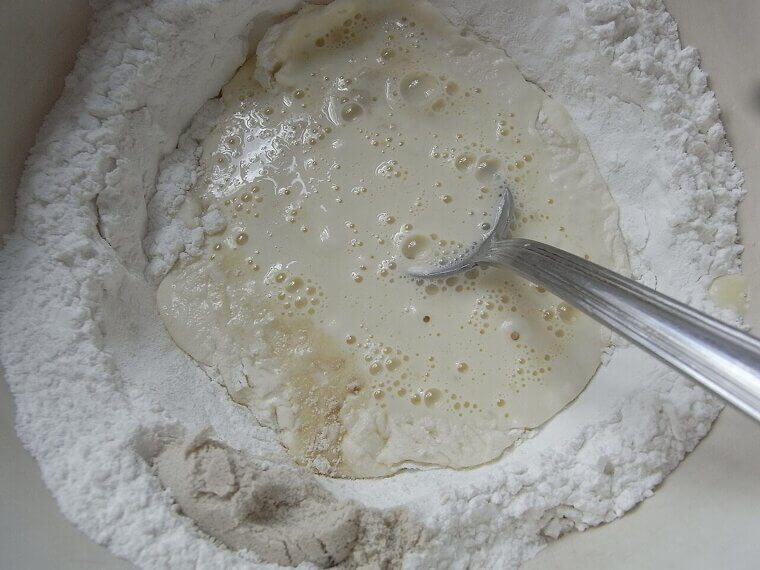
These pancakes were often served with real maple syrup or homemade fruit compote, making for a legendary weekend morning tradition that everyone looked forward to.
Adding a Pinch of Cayenne to Hot Chocolate
Long before "Mexican Hot Chocolate" became a trendy coffee shop item, some grandmothers knew that a tiny, almost imperceptible pinch of cayenne pepper could make a chocolate drink sing. The heat from the pepper isn't meant to be "spicy"; rather, it creates a subtle warmth in the back of the throat that enhances the richness of the cocoa. It wakes up the taste buds and makes the chocolate feel more vibrant.
It was the perfect secret ingredient for a cold winter night, providing an extra layer of "inner warmth" that felt incredibly comforting.