Water Pie: The "Nothing Into Something" Custard That Defied the Odds
During the 1930s, when milk and eggs were luxuries many couldn't afford, home cooks discovered that boiling water, sugar, and flour could magically thicken into a buttery custard. It’s making a massive comeback today because it feels like a kitchen magic trick—using only four or five basic staples to create a silky, sweet dessert. People are rediscovering that you don't always need a fridge full of dairy to satisfy a sweet tooth.
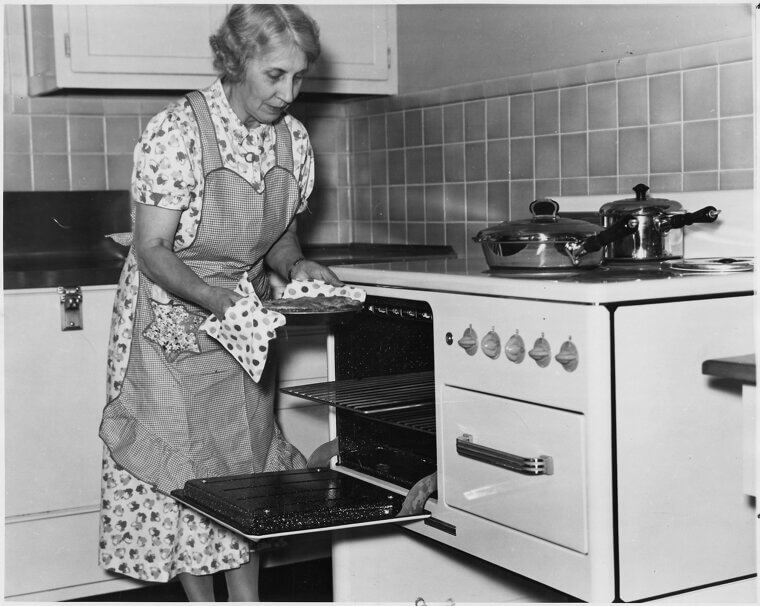
It’s the ultimate "pantry pull" recipe that celebrates human resourcefulness when the grocery budget is tight.
Poor Man’s Meal: The Hearty Potato and Hot Dog Skillet That Fueled Families
This dish became a staple because it relied on the two cheapest items available: potatoes and shelf-stable franks. By frying them together with onions, mothers could provide a high-calorie, savory meal for pennies. It’s seeing a resurgence now because it’s the definition of "comfort food" simplicity. Modern home cooks love it for its one-pan cleanup and the nostalgic, salty crunch of the potatoes.

It’s a reminder that sometimes the most satisfying dinners don't come from a fancy cookbook, but from a cast-iron skillet and a few humble ingredients.
Depression-Era Chocolate Cake: The Eggless Wonder That Stays Moist for Days
Often called "Wacky Cake" or "Crazy Cake," this recipe bypassed expensive butter and eggs, using vinegar and baking soda for lift instead. It was popular because it allowed families to celebrate birthdays even during the leanest years. Today, it’s a favorite for its incredibly light texture and the fact that it’s naturally vegan-friendly without trying to be. It’s making a comeback among bakers.
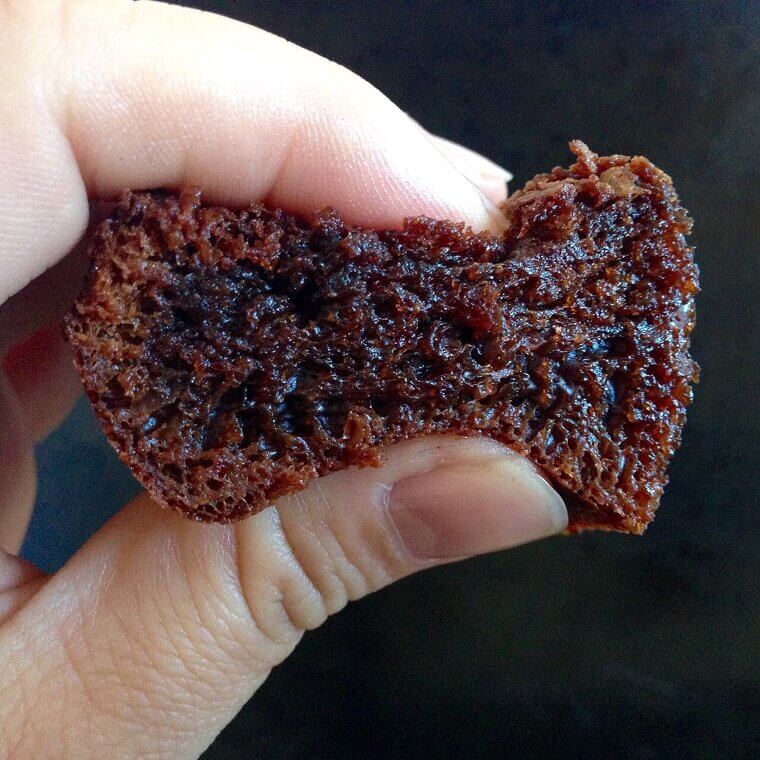
Especially those who want a quick, foolproof chocolate fix without running to the store for fresh eggs. It proves that clever chemistry can easily replace pricey ingredients.
Mock Apple Pie: The Ritz Cracker Secret That Fooled a Generation
When fresh apples were out of season or too costly, resourceful cooks used buttery crackers soaked in lemon juice and cinnamon to mimic the fruit's texture and flavor. This recipe is trending again because of the "wow" factor—it genuinely tastes like real apples. It’s a fun conversation starter for dinner parties and a tribute to the "make do" spirit. People are making it today to experience the culinary illusions of the past.
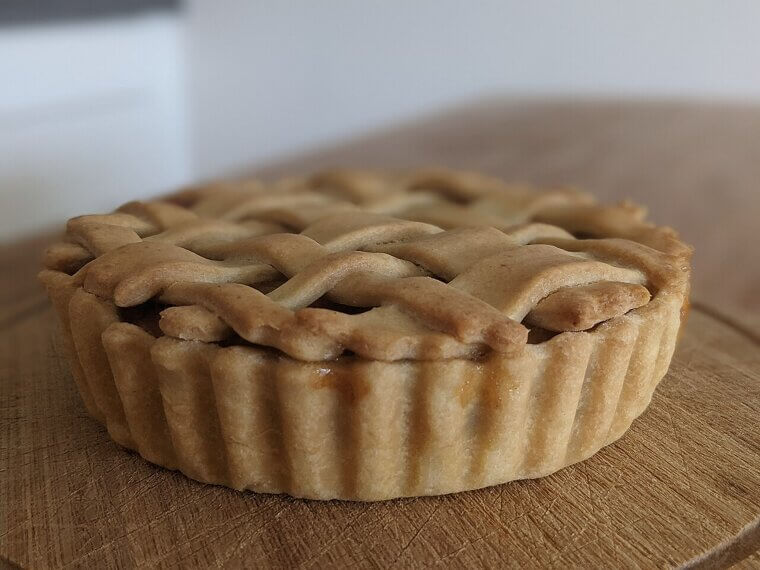
They're finding joy in how simple pantry crackers can transform into a classic American dessert.
Peanut Butter Onions: The Quirky Protein Substitute That Surprises the Palate
In an era where meat was a rare treat, the Bureau of Home Economics actually promoted baked onions stuffed with peanut butter as a nutritious, protein-rich alternative. While it sounds unusual, it’s making a comeback among food historians and adventurous home cooks who appreciate the savory-sweet profile. The onion mellows out when roasted, creating a flavor bridge to the creamy nut butter.
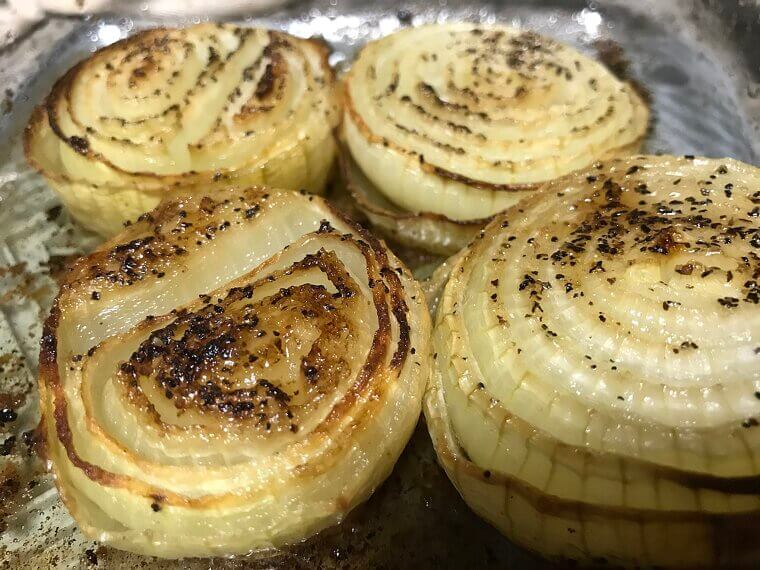
It’s a fascinating example of the era's experimental nutrition and serves as a testament to the sheer bravery of 1930s era "fusion" cooking.
Hoover Stew: The Nutritious Pasta and Salami Mix Named After a President
Named somewhat mockingly after Herbert Hoover, this dish mixed cooked macaroni with canned tomatoes, corn, and sliced hot dogs or salami. It was popular because it provided a balanced meal in a single pot and could be easily scaled up to feed a crowd. It’s returning to modern tables as a "vintage pasta salad" or a quick weeknight dinner. Families appreciate the budget-friendly nature of canned goods.
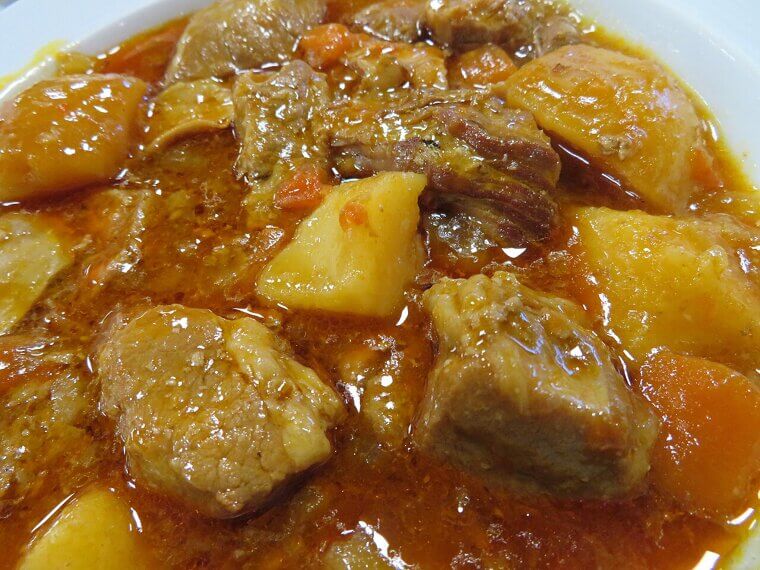
And the nostalgic, tangy flavor that reminds many of their childhoods in their grandmother’s cozy kitchen.
Potato Candy: The Sweet Treat That Turned Spuds Into Confectionery
When sugar was scarce, mothers discovered that a single leftover mashed potato could be kneaded with powdered sugar to create a dough that looks and tastes like fudge. This recipe is gaining popularity again because it’s a fun, gluten-free treat that children love to help make. It’s almost unbelievable that a vegetable can turn into a decadent peanut butter roll-up. It represents the height of "waste not, want not" philosophy.
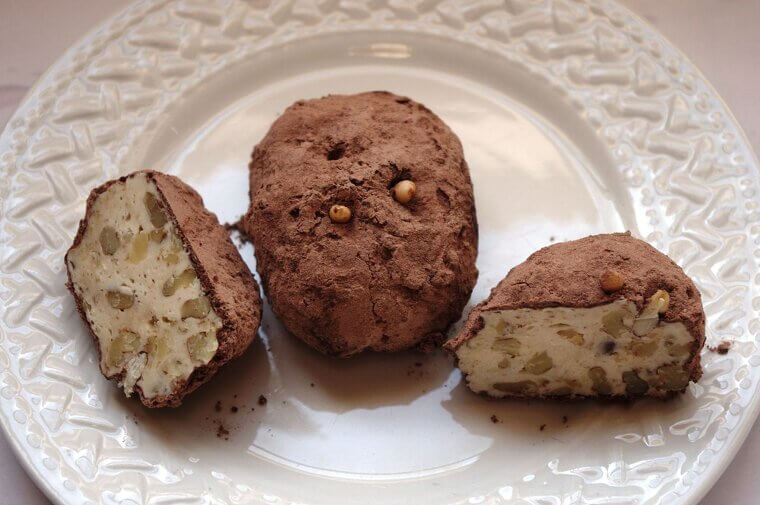
It proved that even a spoonful of leftovers can be repurposed into something delightful.
Milk Toast: The Gentle Comfort Food for Healing and Warmth
A simple slice of toasted bread submerged in warm, seasoned milk was the go-to meal for the elderly or those feeling under the weather during the 1930s. It was popular because it was incredibly easy on the digestion and used up stale bread. It’s making a comeback as a "slow living" breakfast, often upgraded with a pinch of nutmeg or cinnamon. In our fast-paced world, people are returning to this gentle, soothing dish.
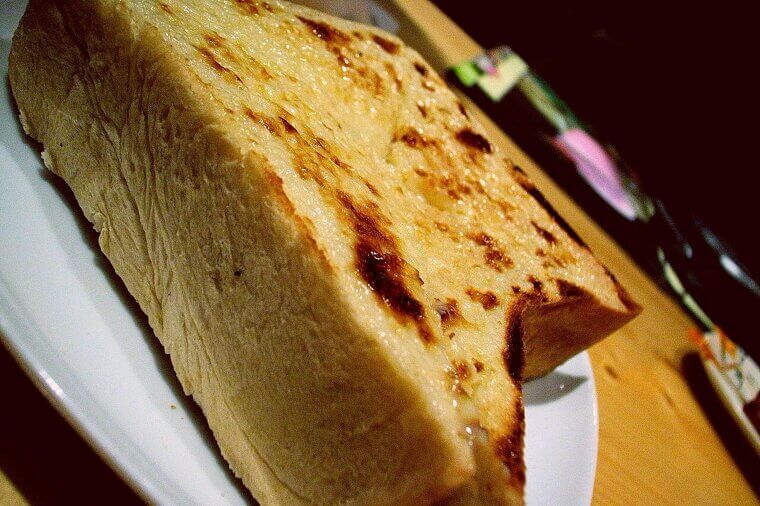
Fans of this meal or snack appreciate it for its minimalist appeal and the instant sense of calm it provides on a chilly morning.
Cabbage and Noodles: The "Haluski" Tradition of Filling the Belly
Known as "Haluski" in many immigrant households, this dish of sautéed cabbage, onions, and egg noodles was a lifesaver because cabbage was one of the cheapest vegetables to grow or buy. It’s making a comeback today as people rediscover the health benefits of cruciferous vegetables and the satisfying "umami" of caramelized onions. It’s a rustic, buttery dish that feels like a warm hug - it's not hard to see why people like it.
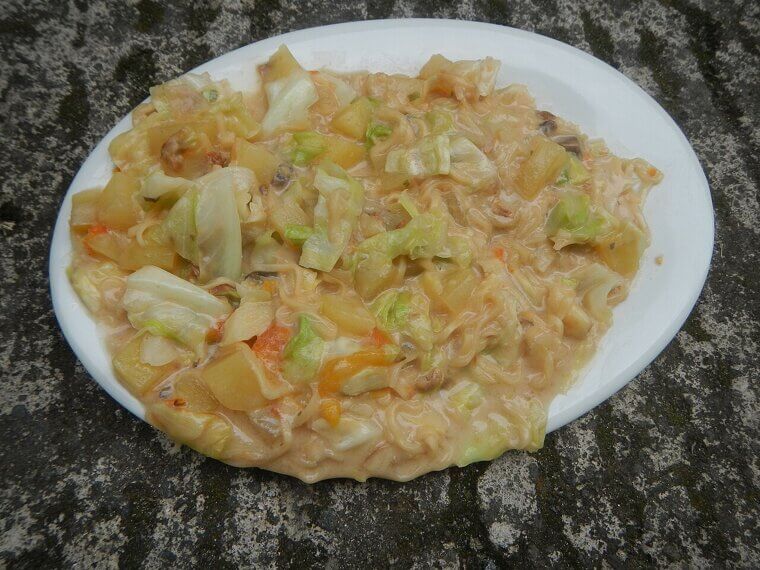
Modern cooks love it because it’s a high-volume meal that costs very little but feels incredibly substantial and savory on the plate.
Cornstarch Pudding: The Silky Dessert That Skipped the Boxed Mix
Long before instant pudding packets existed, families relied on cornstarch, cocoa, and a bit of sugar to create a thick, creamy dessert from scratch. It was popular because it used basic baking staples rather than processed goods. It’s making a comeback because it’s actually faster than going to the store, and the flavor is far superior to anything in a plastic cup. It’s a wonderful way to control the sugar content of your snacks.
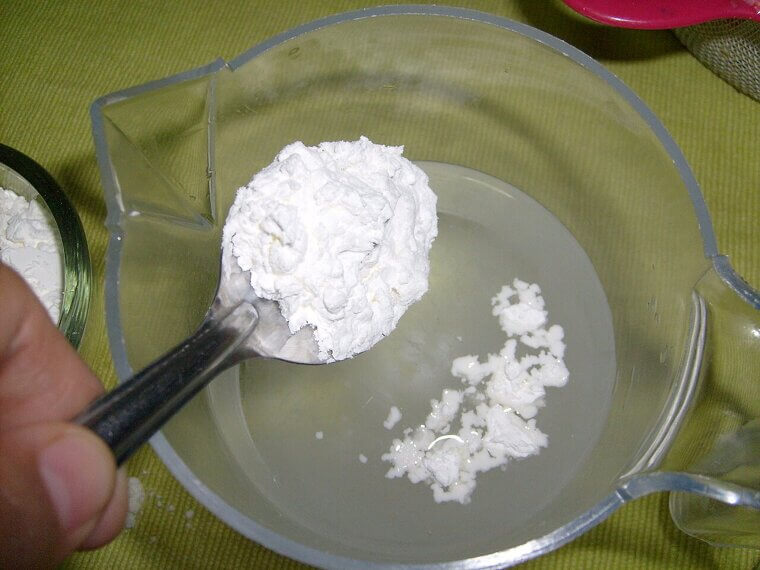
But it still honors the traditional methods of homemade comfort that our grandmothers perfected. It's a win-win.
Dandelion Greens Salad: The Foraged Feast That Cost Absolutely Nothing
During the Great Depression, the front yard was often a grocery store. Canny homemakers harvested young dandelion leaves before they turned bitter, tossing them with a hot bacon grease dressing to wilt the greens. It was popular because it provided essential vitamins for free. Today, it’s making a comeback as "farm-to-table" dining and foraging become trendy. People are realizing that these "weeds" are actually nutrient-dense superfoods.
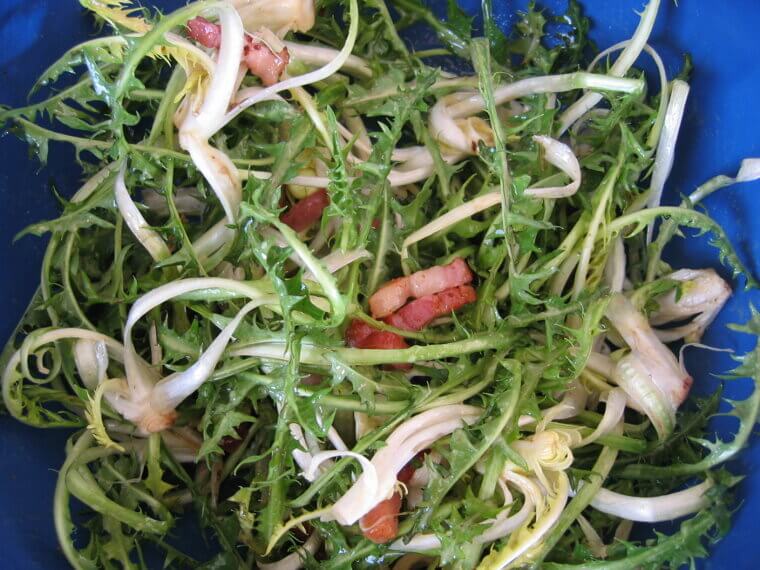
It’s a wonderful way to reconnect with nature and enjoy a peppery, sophisticated salad that costs nothing but a bit of time in the sunshine.
Rice Pudding With Raisins: The Humble Grain That Felt Like a Luxury
Rice was a cheap filler that could be stretched into a creamy dessert with just a little milk and a sprinkle of sugar. Adding a few shriveled raisins made it feel like a special occasion treat. It was a favorite because it was filling enough to serve as a meal on its own. It’s resurfacing now as a gluten-free comfort food that beats any store-bought snack.
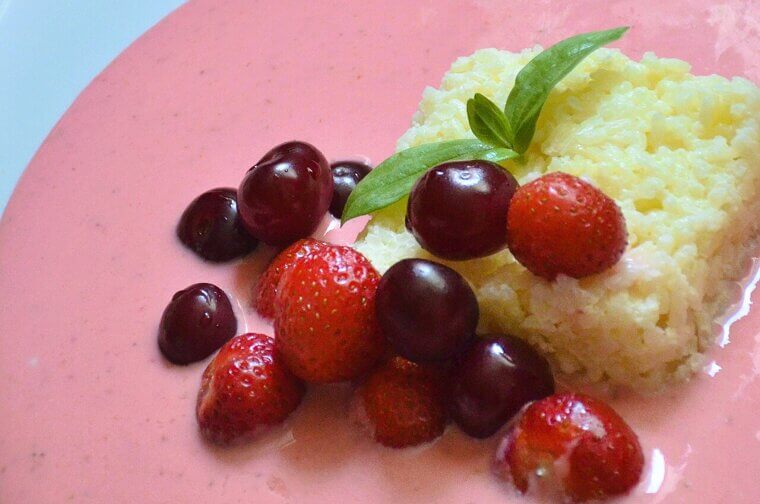
Modern foodies love slow-cooking it to achieve that perfect, velvety texture, proving that a bag of rice can be the star of the dessert table.
Meatless Meatloaf: The Oatmeal Trick That Fooled the Family
When beef was a luxury, mothers used large amounts of oats, breadcrumbs, or even crushed saltines to "extend" a tiny bit of meat—or sometimes omitted the meat entirely using walnuts or lentils. This was a staple because it provided the familiar shape and savory flavor of a roast without the high price tag. It’s making a comeback today as people look for "flexitarian" ways to eat less meat without sacrificing heartiness.
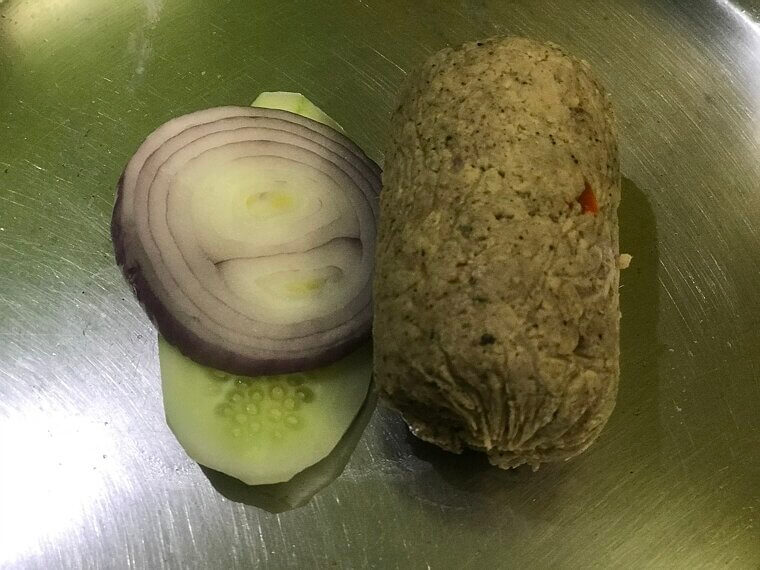
It’s a genius hack for adding fiber and making a single pound of ground beef feed eight people.
Bread Pudding: The Savory or Sweet Solution for Stale Crusts
In a "waste not" kitchen, throwing away a single heel of bread was unthinkable. By soaking old bread in a simple custard, it was transformed into a dense, delicious pudding. This was popular because it turned a kitchen "failure" (stale bread) into a victory. It’s trending again because of its versatility; you can make it sweet with cinnamon or savory with herbs and cheese.
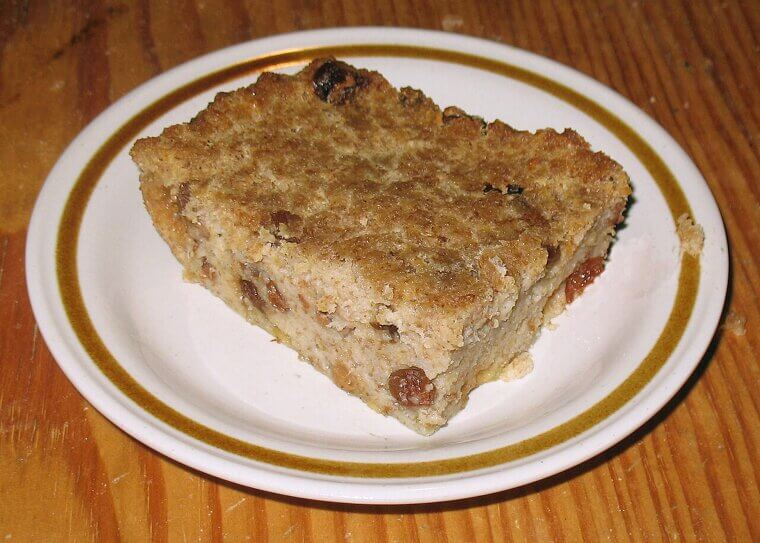
It’s the ultimate resourceful recipe that reminds us that with a little creativity, even the oldest ingredients can have a glorious second act.
Corned Beef Hash: The Canned Classic That Defined Weekend Brunch
Canned corned beef was a shelf-stable miracle that, when diced and fried with plenty of potatoes, created a salty, crispy meal that kept workers full all day. It was popular because it was easy to store and quick to cook. It’s making a comeback in trendy diners and home kitchens alike because nothing beats that specific texture of crispy-on-the-outside, soft-on-the-inside potatoes. It’s a nostalgic nod.
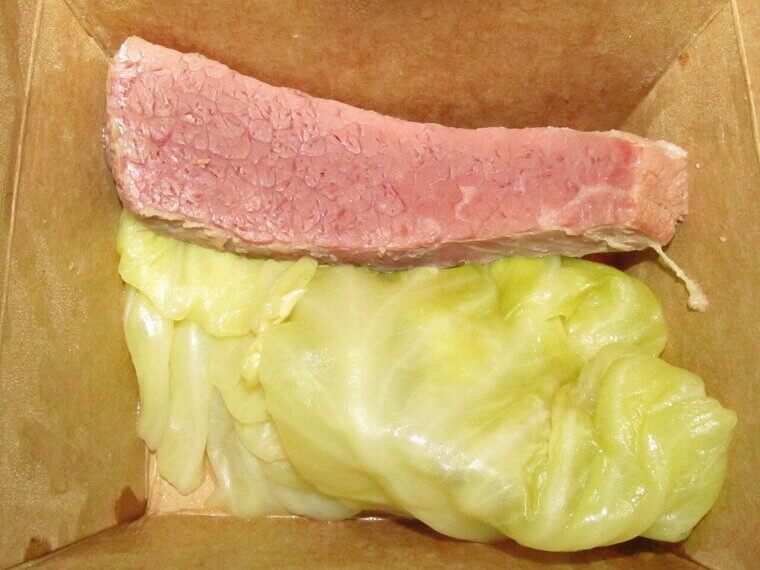
A nod to a time when a simple tin from the pantry could provide a protein-packed breakfast that felt truly substantial.
Egg Drop Soup: The Five-Minute Nutritional Powerhouse
This wasn’t just for takeout; Depression-era families made a version using simple chicken or vegetable broth and whisking in a single egg to create ribbons of protein. It was popular because it was light, warm, and used only one egg to provide a sense of "meatiness" to a thin soup. Today, it’s a favorite for busy professionals looking for a healthy, low-carb meal in under ten minutes.
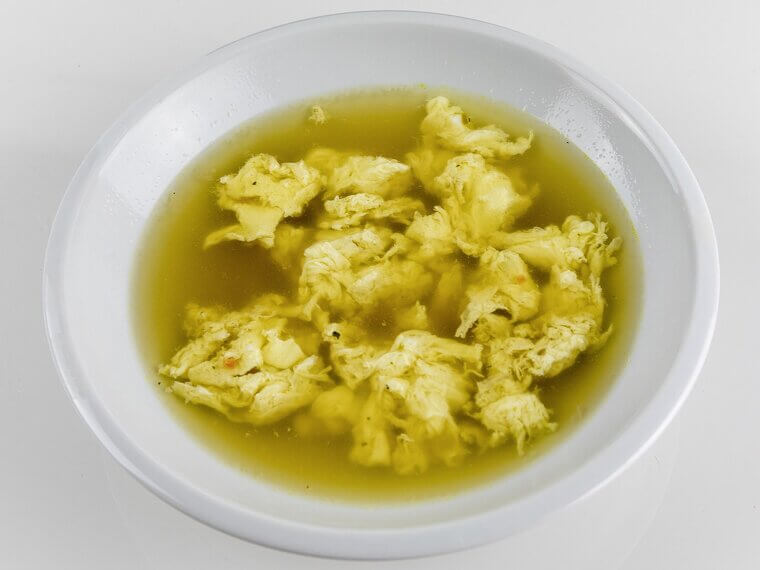
It’s a testament to the fact that you don't need a long list of ingredients to make a sophisticated, soothing bowl of soup.
Fried Cornmeal Mush: The Breakfast Staple That Doubled as Dinner
Cornmeal was boiled into a thick porridge, cooled until firm, sliced, and then fried in a skillet until golden brown. Served with a bit of syrup or gravy, it was a versatile filler that cost mere pennies. It’s making a comeback as people rediscover "polenta," which is essentially the same thing. Home cooks love the satisfying crunch and the way it can be a base for almost any topping.

It’s a brilliant example of how a single bag of grain can provide multiple different meals throughout the week.
Creamed Chipped Beef on Toast: The "S. O. S. " Dish That Fed the Military
Often called "Stuff on a Shingle," this dish featured thin slices of dried, salted beef in a thick white gravy served over toasted bread. It was popular because the salt-cured meat lasted forever without refrigeration and the gravy was incredibly filling. It’s seeing a resurgence among those who grew up with it, offering a salty, creamy hit of pure nostalgia. Modern versions often use high-quality deli meats.

But the soul of the dish remains the same: a warm, hearty meal that’s ready in minutes.
Vinegar Pie: The "Lemon Pie" Without the Lemons
Citrus was often too expensive or unavailable in the Midwest during the 1930s. Resourceful bakers used apple cider vinegar to provide the "tang" that mimicked lemon juice in a custard pie. It was a popular trick to get that refreshing acidity using a common pantry staple. It’s making a comeback because the flavor is surprisingly sophisticated—the vinegar mellows into a complex, fruity tang when baked with sugar.
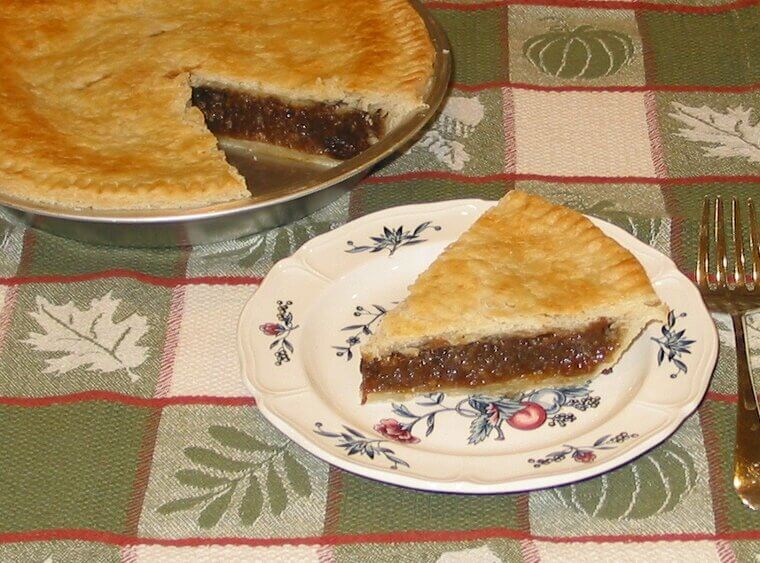
It’s a favorite for those who love a bit of culinary history and a dessert that sparks a "guess the ingredient" game.
Tomato Soup Cake: The Secret Ingredient for a Spice Cake Surprise
It sounds strange, but a can of condensed tomato soup adds moisture, color, and a subtle tang to a spice cake without tasting like vegetables at all. It was a favorite because it replaced expensive fats and liquids. It’s trending again because it creates an incredibly tender crumb that’s hard to achieve with modern recipes. It’s the perfect conversation piece for a potluck, and it proves that 1930s cooks were the original "lifehackers."

They found ways to use canned goods in the most unexpected and delicious ways.
Navy Bean Soup: The "Senatorial" Dish That Stretched a Ham Bone
Dried beans were a lifeline during the Depression, and a single ham bone could flavor a massive pot of soup that lasted for days. This was popular because it was incredibly cheap but packed with protein and fiber. It’s making a comeback as "slow cooker" meals become the norm. People love the deep, smoky flavor that comes from simmering a bone all day.
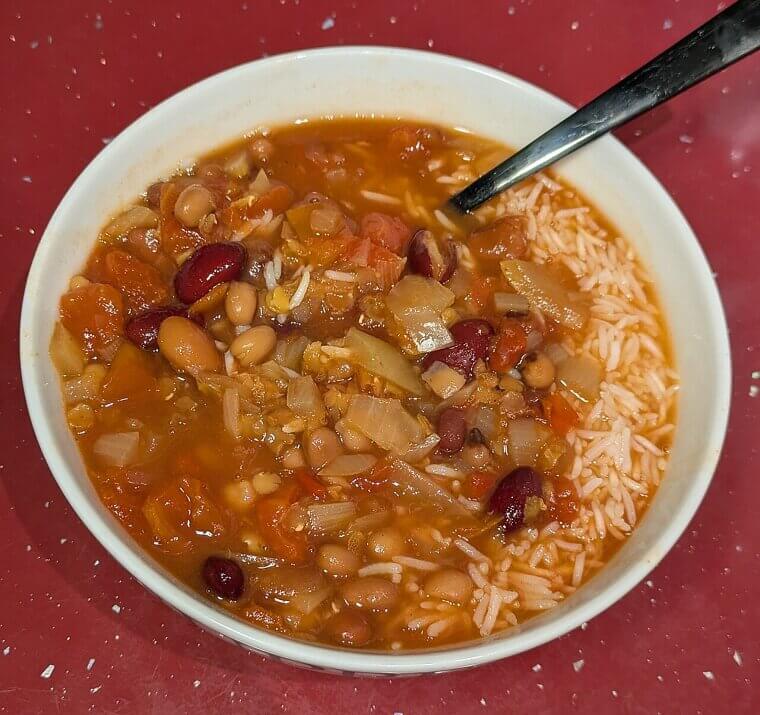
It’s a reminder that some of the best flavors in the world take time, not money, and that "nose-to-tail" eating was a necessity long before it was a trend.
Potato Pancakes: The Crispy Side Dish That Replaced the Main Course
When meat was off the table, grated potatoes mixed with a little flour and onion became the star of the show. Fried until they reached a lacy, golden crisp, they were popular because they felt like a "treat" despite being made of the most basic ingredients. They are back in style because they are the ultimate versatile side—perfect with applesauce for breakfast or topped with sour cream for dinner.
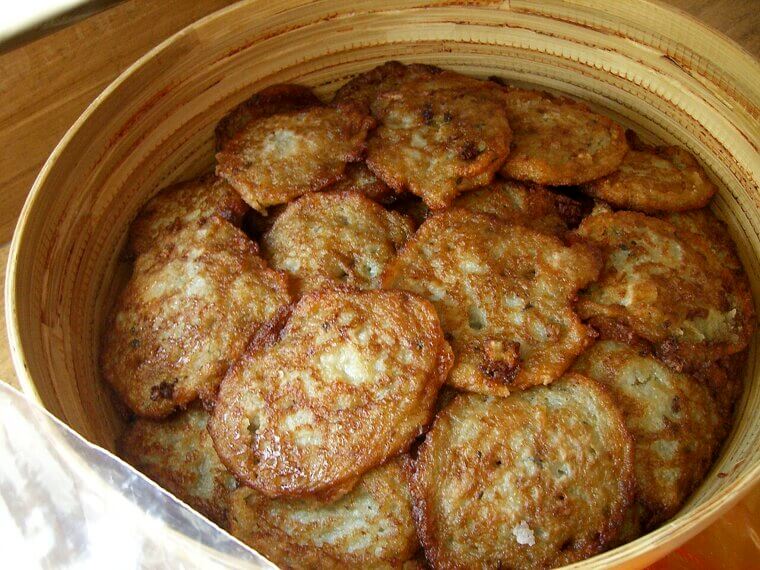
They represent the magic of the potato: a humble tuber that can be transformed into something truly gourmet with just a hot pan.
Salmon Patties: The High-Protein Pantry Staple From a Tin
Canned salmon was often more affordable than fresh beef or pork, and by mixing it with crackers or breadcrumbs, a small can could be turned into a dozen crispy patties. This was popular because it brought "fancy" seafood flavors to the inland kitchen for a fraction of the cost. It’s making a comeback as people look for shelf-stable protein options that are heart-healthy and quick to prepare.
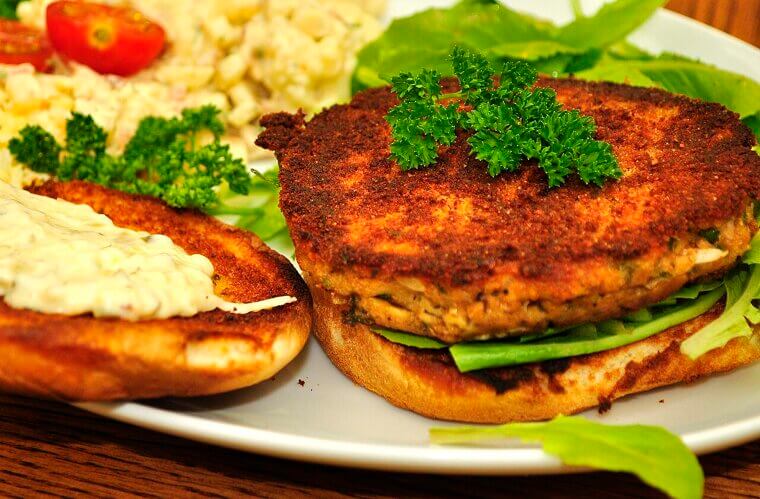
It’s a nostalgic dish that many remember as a Friday night tradition, and it still holds up as a delicious, light dinner.
Slumgullion: The One-Pot Wonder for Cleaning Out the Pantry
This whimsical name referred to a loose stew of whatever was on hand—usually macaroni, ground meat scraps, and canned tomatoes. It was popular because it had no set recipe; it was a "kitchen sink" meal that ensured nothing went to waste. It’s making a comeback as a "fridge-clearer" for modern families. It’s a stress-free way to cook that encourages intuition over strict measurements.
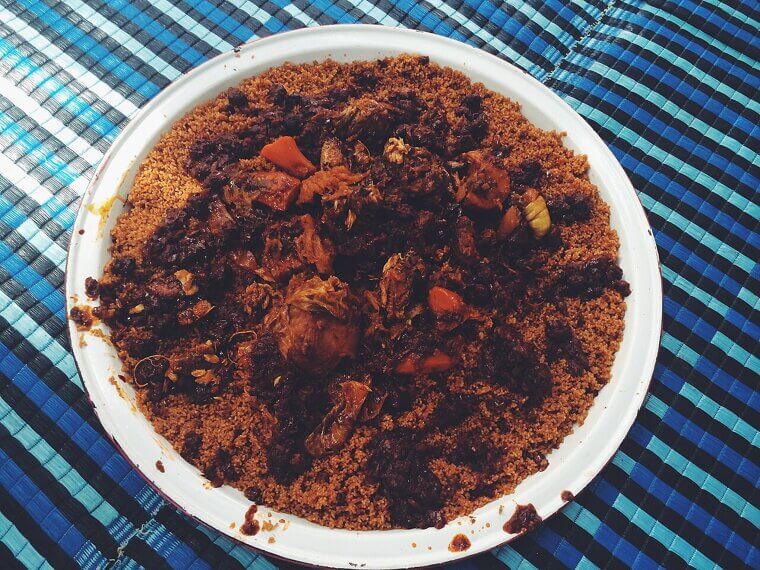
It reminds us that some of the most comforting meals are the ones where you just throw everything in a pot and hope for the best.
Baked Apples: The Natural Candy of the 1930s
When candy bars were out of reach, a simple apple cored and filled with a tiny bit of sugar or honey and baked until soft was a miracle. It was popular because apples were often accessible from local orchards or neighbors' trees. It’s making a comeback as a healthy, low-processed dessert option. There’s something timeless about the smell of cinnamon and roasting apples wafting through a home.
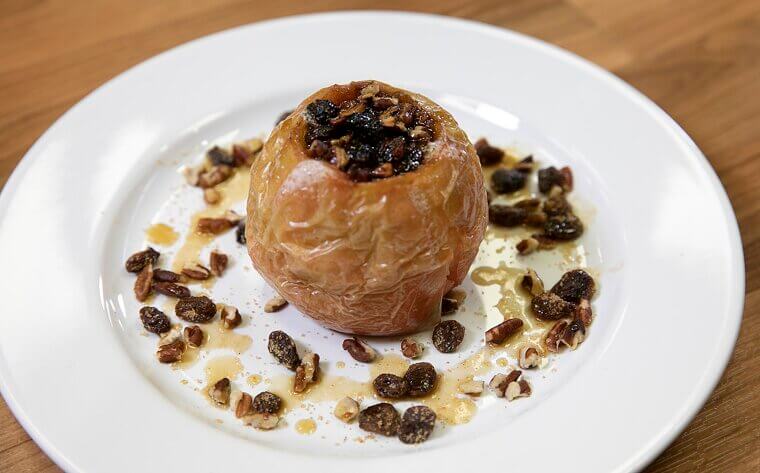
It’s a minimalist dessert that proves nature provides the best sweets, especially when they are slow-roasted to perfection.
Coffee Jelly: The Caffeine-Infused Dessert That Refreshed the Soul
In an era where every drop of coffee was precious, leftover morning brew was never poured down the drain. Instead, it was mixed with gelatin and a touch of sugar to create a translucent, wobbly dessert. This was popular because it provided a sophisticated "pick-me-up" at the end of a meal for almost zero extra cost. It is making a comeback today, especially in vintage-style cafes and among those who love light, refreshing treats.
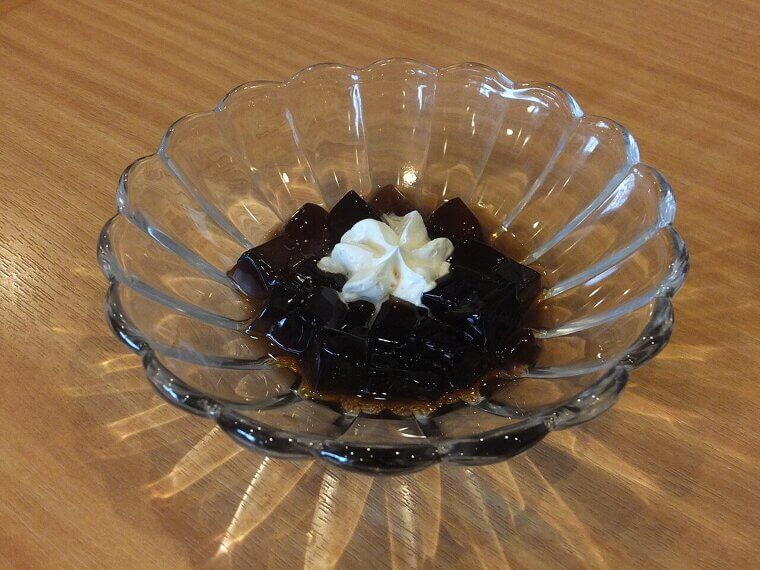
It’s a genius way to enjoy your favorite roast in a firm, chilled form that feels much fancier than it actually is.
Mayonnaise Cake: The Secret to a Velvety Crumb Without Butter
During the leanest years, butter was often rationed or simply too expensive for a casual cake. Resourceful bakers realized that mayonnaise—which is essentially just oil and eggs—could be swapped in to create an incredibly moist and rich chocolate cake. It was popular because it used a shelf-stable condiment to achieve a luxury texture. It’s making a comeback among modern bakers who swear by its foolproof results.

It’s a fascinating kitchen "hack" that proves the most unlikely ingredients can often produce the most delicious and tender results in the oven.
Fried Green Tomatoes: The Garden Rescue That Became a Southern Icon
When the growing season was ending or a frost was predicted, gardeners would pick their unripe tomatoes rather than letting them rot on the vine. Sliced thin, dredged in cornmeal, and fried, these tart fruits became a savory delicacy. This was popular because it ensured that not a single piece of produce was wasted. It’s making a massive comeback as a gourmet appetizer in high-end restaurants.

People love the contrast between the crunchy coating and the warm, acidic center, proving that "unripe" doesn't have to mean "inedible" if you have a frying pan.
Mock Mincemeat Pie: Using Green Tomatoes for a Festive Holiday Treat
Real mincemeat required expensive dried fruits, spices, and suet, which were often out of reach. Clever cooks discovered that finely chopped green tomatoes, simmered with vinegar, raisins, and spices, mimicked the texture and flavor perfectly. This was popular because it allowed families to maintain their holiday traditions without the high price tag. It’s seeing a resurgence among heirloom recipe collectors who enjoy the "magic" of turning a vegetable into a sweet, spiced pie filling.

It’s a true testament to the creative lengths people went to for a taste of normalcy and it's endearing to see it have a comeback.
Depression-Era Bread: The Three-Ingredient Loaf for Every Table
With yeast sometimes being a luxury, many families turned to simple "quick breads" or basic flour-water-salt recipes that could be baked daily. This was popular because it was the absolute cheapest way to fill stomachs and provide a base for every meal. It’s making a comeback today as people rediscover the joy of artisanal, homemade bread. There’s something deeply satisfying about the smell of fresh bread baking in the oven.
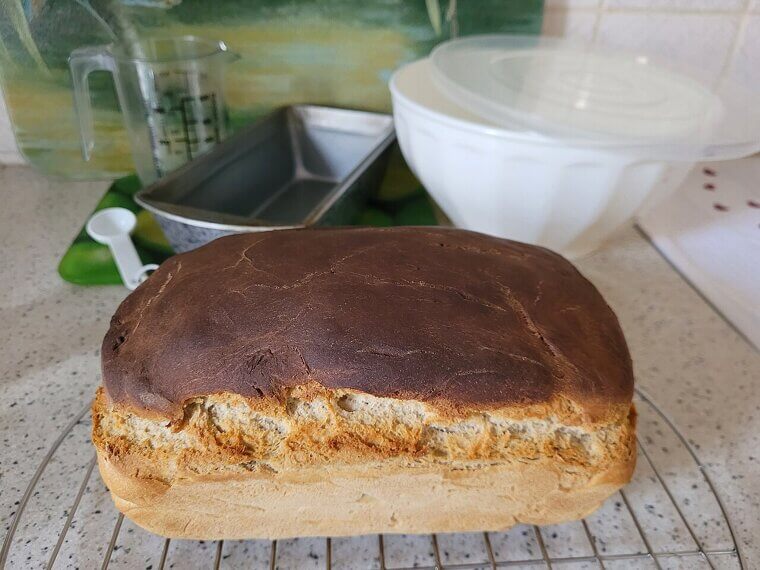
And these minimalist recipes remind us that you don't need fancy equipment or expensive grains to feed your family well.
Onion Soup: The Peasant Dish That Conquered the World
Onions were one of the few vegetables that remained affordable year-round, and when slow-cooked until caramelized, they created a deep, rich broth. This was popular because it turned a pile of cheap bulbs into a meal that tasted incredibly complex and savory. It’s making a comeback as a staple of "slow cooking" culture. While we might add a bit of cheese on top today, the core of the recipe remains a tribute to patience.
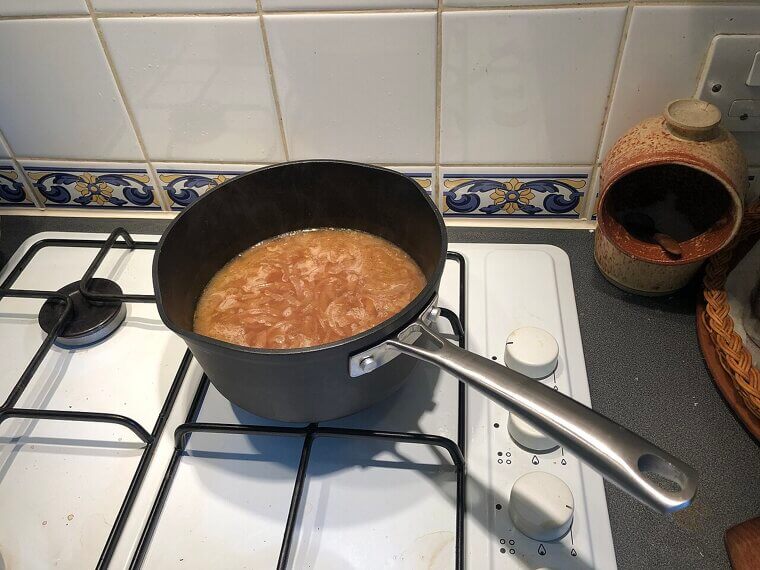
And, of course, to the beauty of caramelization. It proves that time is often the most valuable ingredient in the kitchen.
Prune Cake: The "Natural Sweetener" That Added Depth and Moisture
Dried prunes were often more affordable than fresh fruit and lasted all winter in the pantry. When mashed into a spice cake, they provided a deep, dark sweetness and an incredibly moist texture. This was popular because it was a "healthy" way to stretch the sugar supply while adding fiber to the diet. It’s making a comeback among health-conscious bakers who want to reduce refined sugars. It’s a sophisticated, dark cake.
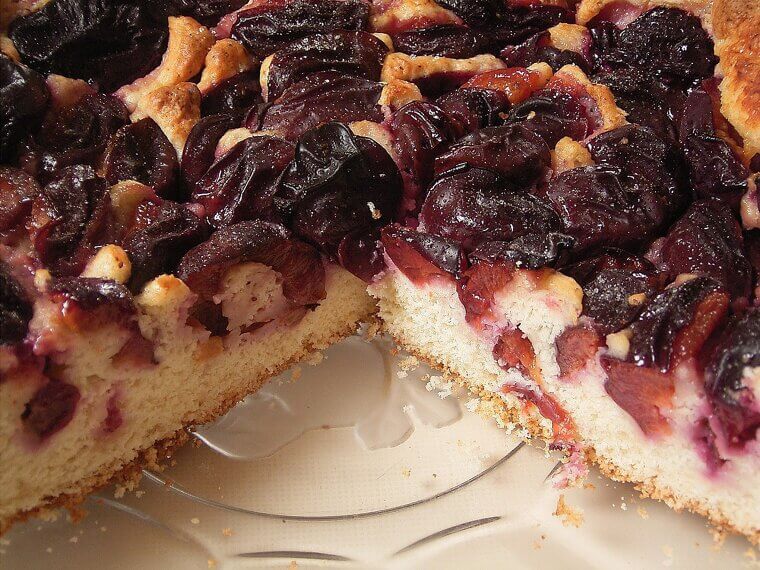
And one that surprises people once they realize the "secret" ingredient is actually a humble, dried plum from the cupboard.
Sausage Gravy and Biscuits: The Ultimate "Stretch the Meat" Breakfast
By using a tiny bit of pork sausage to flavor a large pan of flour-based white gravy, a mother could make one link of meat feed an entire household. This was popular because it was warm, heavy, and kept everyone full until dinner time. It’s making a comeback as a premier comfort food in breakfast spots across the country. It represents the pinnacle of "filling" food.
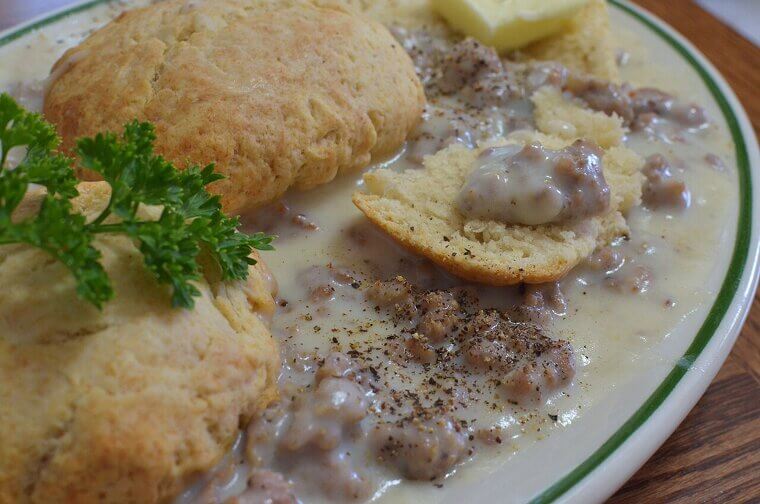
And shows how a little bit of fat and flour can be transformed into a savory masterpiece that defines the concept of a "hearty start."
Hot Slaw: The Tangy Side Dish That Saved the Day
Standard coleslaw required expensive mayonnaise, but "Hot Slaw" used a warm dressing of vinegar, sugar, and a bit of bacon fat. This was popular because the ingredients were always on hand and it could be served as a warm side dish or a cold salad. It’s making a comeback today as a zesty, dairy-free alternative to traditional slaws. Modern foodies love the bright, acidic punch it adds to grilled meats.
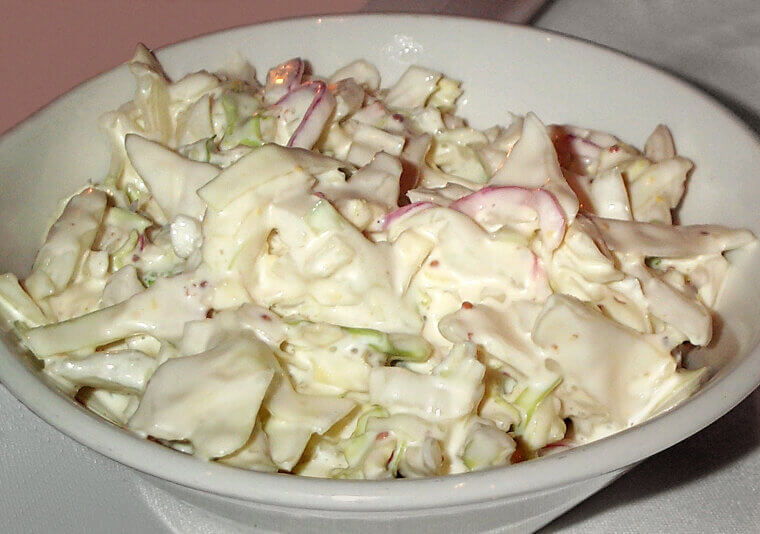
It’s a brilliant example of how a few pantry staples can create a flavor profile that is both sharp and satisfying.
Suet Pudding: The Steamed Marvel That Fed the Masses
Suet (hard animal fat) was often given away or sold for next to nothing at the butcher. When mixed with flour and steamed, it created a dense, calorie-rich pudding that was incredibly shelf-stable. This was popular because it was the ultimate "survival food" that also felt like a treat. It’s making a comeback among those interested in traditional British-style puddings and historical cooking.
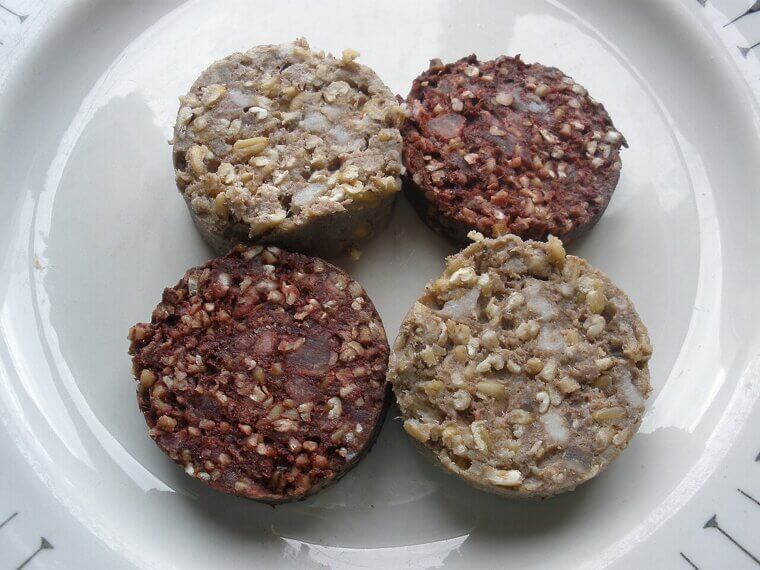
It’s a dense, rib-sticking dish that reminds us of a time when calories were a precious resource to be celebrated and savored.
Scrapple: The "Everything But the Oink" Breakfast Loaf
Originating from the "waste not" philosophy, scrapple combined meat scraps with cornmeal and spices to create a firm loaf that was sliced and fried. This was popular because it ensured that no part of the animal went to waste after a slaughter. It’s making a comeback in the "nose-to-tail" culinary movement as people look for authentic, traditional flavors. It’s a savory, crispy-edged delight that tells a story of rural resourcefulness.
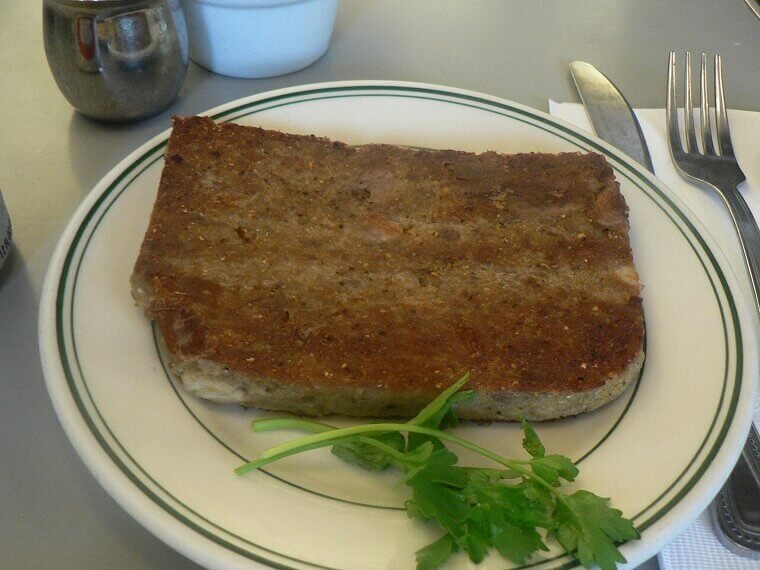
It proves that with enough seasoning and a good sear, every bit of food can be made delicious.
Eggless Cookies: The Shortbread Secret for Sweet Cravings
When hens weren't laying or eggs were too pricey, bakers relied on a mixture of fat, sugar, and flour to create crumbly, shortbread-style cookies. These were popular because they satisfied the need for a "little something sweet" without breaking the bank. They are making a comeback today because they are incredibly easy to whip up with zero notice. They are the perfect "emergency" cookie for when you realize the fridge is empty but the kids are hungry for a treat.

It’s simplicity at its absolute best, proving that luxury is a state of mind.
Cornbread Dressing: Turning Leftovers Into a Savory Feast
Dry cornbread was never tossed; it was crumbled and mixed with celery, onions, and whatever broth was available to create a stuffing-like side dish. This was popular because it was a high-volume filler that felt like a special holiday meal every day. It’s making a comeback as a preferred alternative to bread-based stuffing. People love the texture and the way the cornmeal soaks up all the savory juices of a roast.
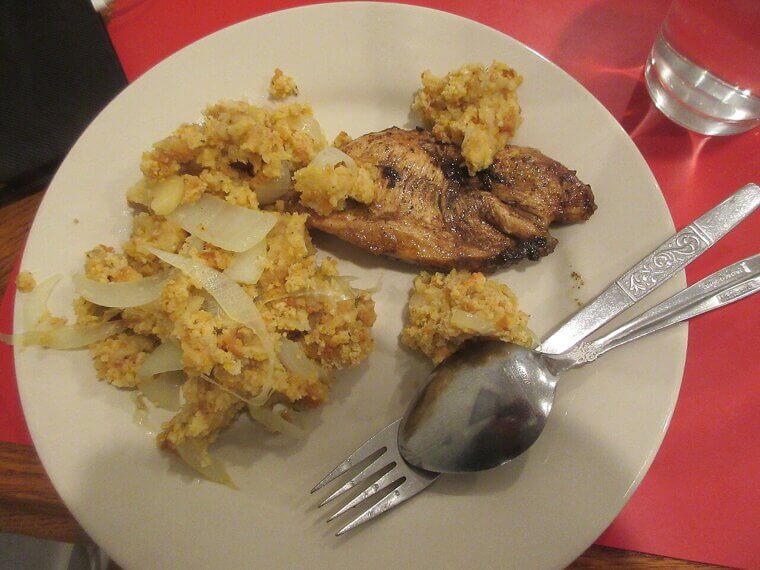
It’s a rustic, golden dish that embodies the warmth and hospitality of a resourceful country kitchen.
Honey Butter: The Simple Spread That Felt Like a Million Bucks
When expensive jams and preserves were gone, mixing a tiny bit of honey into a larger amount of softened butter (or lard) created a sweet, decadent spread that made plain bread feel like a gourmet treat. This was popular because a little honey went a long way in terms of flavor. It’s making a comeback as a staple on modern brunch tables.
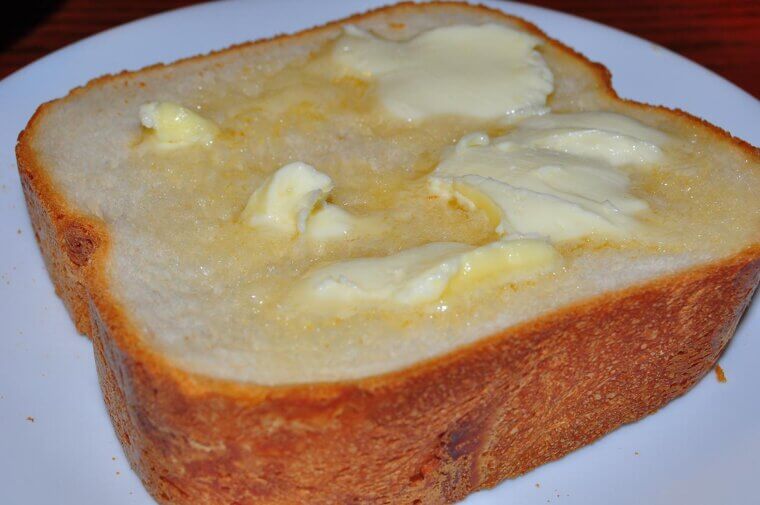
It’s a reminder that sometimes the simplest combinations—just two ingredients—can produce a flavor that is infinitely better than the sum of its parts.