Fizzies Drink Tablets: The Alchemical Magic of Turning Tap Water Into a Party
Before we had high-tech carbonation machines on our kitchen counters, we had the sheer, bubbling sorcery of Fizzies. There was something undeniably thrilling about dropping a colorful, oversized tablet into a plain glass of lukewarm tap water and watching it erupt into a miniature, hissing volcano of artificial flavor. It felt less like making a drink and more like a chemistry experiment gone right. Whether you preferred the neon orange or the punchy cherry, the experience was all about the anticipation of that first tingly sip.
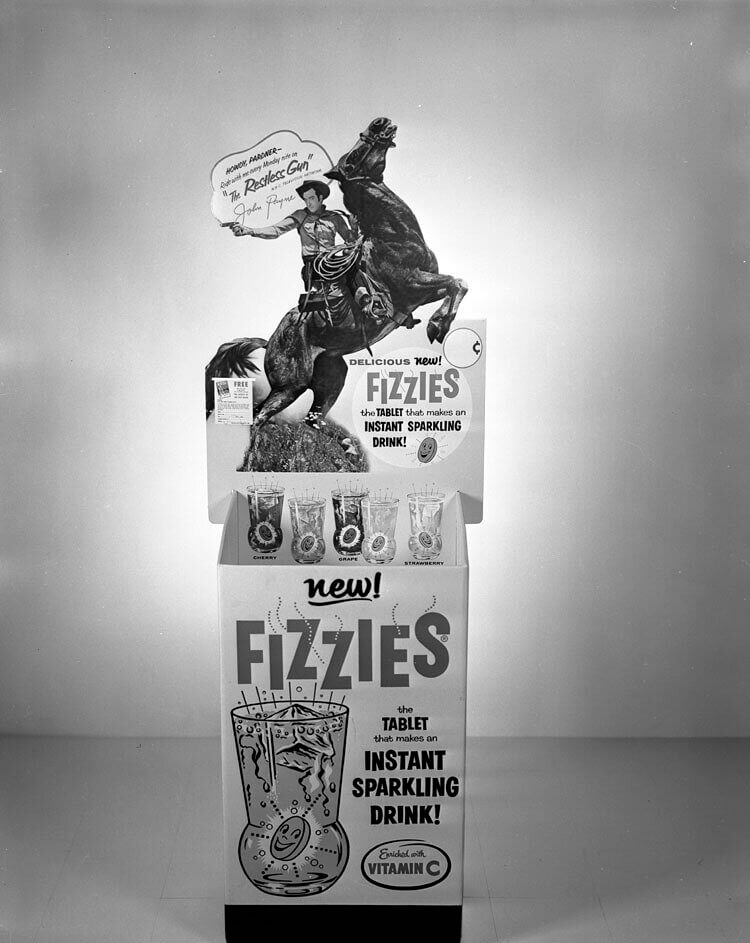
While they eventually fizzled out of the mainstream, the memory of that specific, effervescent tickle on the nose remains a hallmark of childhood summers spent on the porch.
Space Food Sticks: Fueling Your Inner Astronaut One Chewy Cylinder at a Time
During the height of the Space Race, every kid in the neighborhood wanted to eat like a hero orbiting the Earth. Enter Space Food Sticks, the "nutritionally balanced" snack developed by Pillsbury in tandem with NASA. These weren't quite brownies and they weren't quite energy bars; they were dense, chewy batons of chocolate, peanut butter, or caramel-flavored fuel that promised to make you feel like John Glenn.
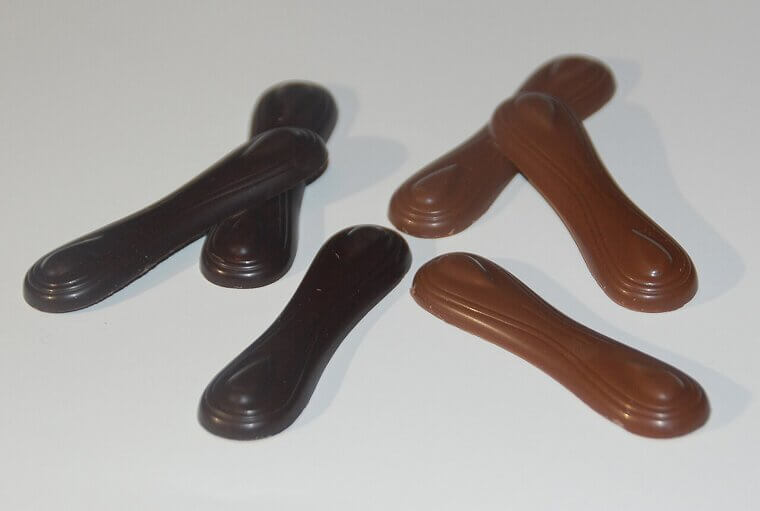
They had a unique, waxy texture that felt incredibly futuristic at the time, even if it was just clever marketing. Tearing open that foil wrapper felt like a rite of passage for any child who spent their afternoons staring at the moon and dreaming of the cosmos.
Nabisco Giggles: The Sandwich Cookies That Smiled Back (Until You Ate Them)
In a world of serious cookies, Giggles were the undisputed kings of the playground. These shortbread sandwich cookies featured two different cream fillings—usually chocolate and vanilla—and were famously shaped like laughing faces. There was something wonderfully irreverent about a snack that looked like it was having as much fun as you were. They had a distinct, buttery crunch that paired perfectly with a cold glass of milk.
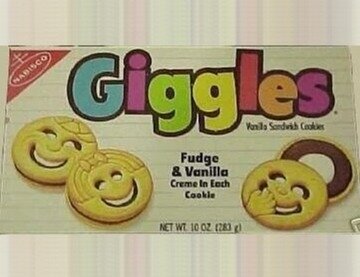
And the dual-flavored centers meant you never had to choose between your two favorite tastes. They represented a simpler time in snack history when the goal wasn't just flavor, but a genuine sense of whimsy and "funtastic" personality in every bite.
Morton Frozen Donuts: The Icy-Cold Breakfast That Defied Traditional Heating
Long before the "hot and ready" signs of modern donut shops, the Morton Frozen Donut was a staple of the 70s freezer aisle. These tiny, cake-style rings—usually covered in powdered sugar or cinnamon—were designed to be eaten straight from the box or thawed on the counter. There was a strange, chilly satisfaction in biting into a frozen donut; the sugar would melt against your tongue while the cake remained firm and refreshing.
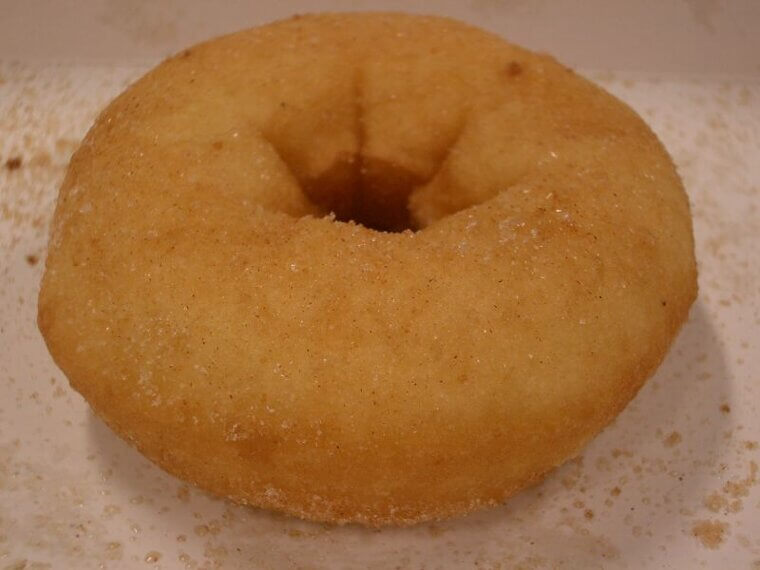
They were the ultimate "I don't want to wait" breakfast for kids on Saturday mornings, providing a sugary kickstart to a day of cartoons and neighborhood bike rides through the summer heat.
Carnation Breakfast Squares: The Chocolate-Covered Logic That Cake Is Breakfast
In the 1970s, nutrition was a bit more "optimistic," which gave us the glorious Carnation Breakfast Squares. These were essentially dense, vitamin-fortified cakes disguised as a responsible way to start your day. They had a texture somewhere between a brownie and a sponge cake, completely coated in a thin layer of waxy chocolate or peanut butter icing. They felt far more like a dessert than a bowl of oatmeal.
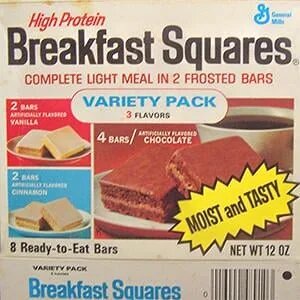
And that made them an instant hit with kids who were rushing to catch the bus. Despite the "healthy" marketing, we all knew we were basically eating a candy bar for breakfast, and we loved every sugary, square-inch of it.
Aspen Soda: The Crisp, Apple-Flavored Refreshment From the Mountain Peaks
In the late 70s, Pepsi launched Aspen Soda, a clear, crisp, apple-flavored carbonated drink that was marketed as a sophisticated alternative to heavy colas. It had a sophisticated, "natural" image, using imagery of snowy mountains and cool breezes. The taste was sharp and refreshing, similar to a sparkling cider but with the high-fizz energy of a soft drink. It arrived right as the "health-conscious" 80s were looming, trying to bridge the gap between soda pop and fruit juice.
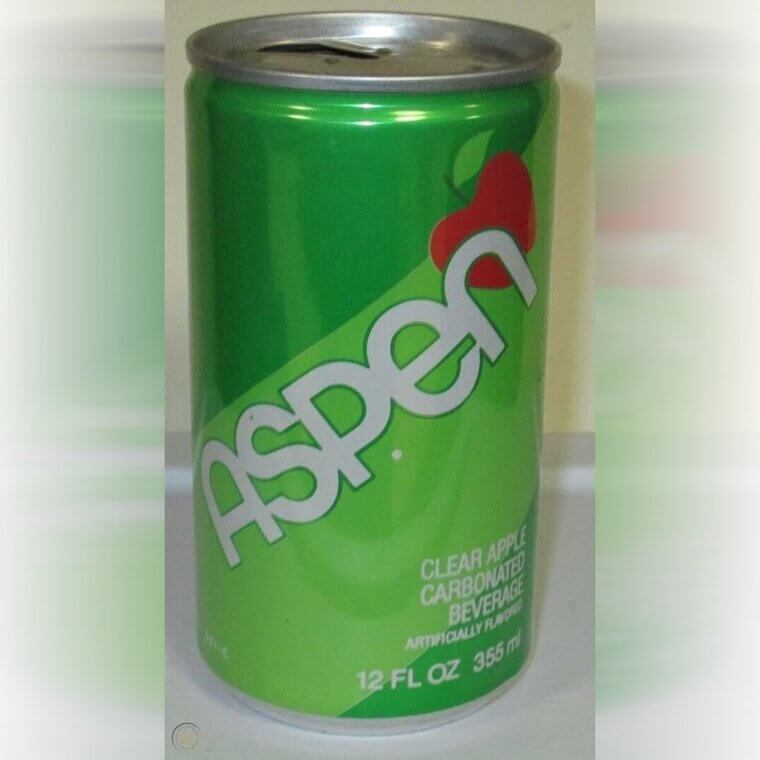
For those who remember it, Aspen was the ultimate thirst-quencher on a humid July afternoon, offering a clean, tart finish that felt much lighter than the average sugary soda.
Teaberry Gum: The Pink, Medicinal Stick That Tasted Like a Hidden Forest
Teaberry Gum was an acquired taste that many 60s kids grew to love. Wrapped in a distinctive pink paper, the gum had a flavor derived from the teaberry plant, which tasted like a strange, cooling hybrid of wintergreen and peppermint with a floral finish. It had a slightly medicinal quality that made it feel "adult" and sophisticated compared to bubblegum. The brand was also famous for its "Teaberry Shuffle" commercials, which featured people doing a quirky little dance after taking a chew.
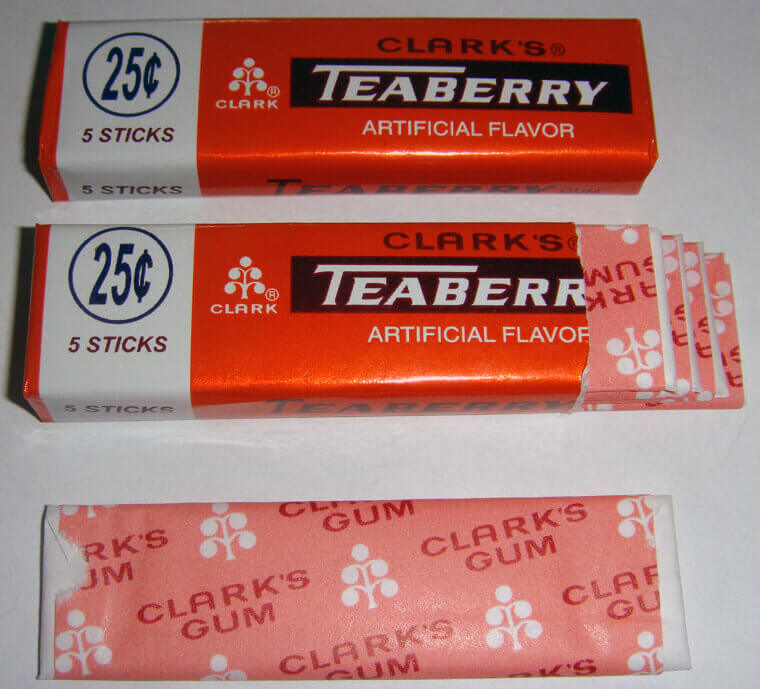
It was a refreshing, sophisticated flavor that cleared the palate and left a lingering, spicy-sweet tingle that lasted longer than most other gums of the era.
Smith Brothers Cough Drops: The Black Licorice Remedy That Felt Like Candy
Back in the day, even a sore throat was an opportunity for a classic treat. Smith Brothers Cough Drops, with their famous bearded founders on the box, were a staple of every medicine cabinet. The "Black" flavor was essentially a hard licorice candy that provided a soothing, herbal heat. Unlike the fruit-flavored drops of today, these felt substantial and old-fashioned. They had a deep, molasses-like sweetness that lingered in the back of the throat.
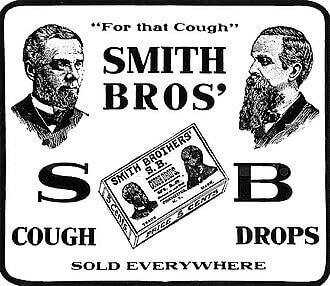
For many kids, faking a slight cough was a small price to pay to get one of these dark, spicy discs, which felt more like a reward than a medicinal necessity during the winter months.
Marathon Bars: The Braided Chocolate Gauntlet That Lasted an Entire Afternoon
If you were looking for a snack that could survive an entire double-feature at the cinema, the Marathon Bar was your only real contender. Clad in its iconic bright red wrapper with a literal ruler printed on the back, this eight-inch braid of wavy caramel dipped in milk chocolate was a marathon indeed. It was famously difficult to chew, providing a workout for your jaw that lasted significantly longer than any modern candy bar.
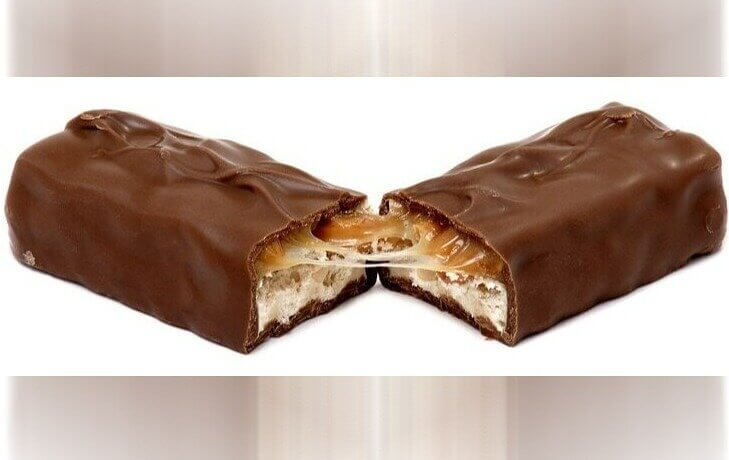
There was a genuine sense of accomplishment in finishing one without losing a loose tooth. Its demise in the early 80s left a void in the hearts of candy lovers who appreciated a treat that fought back just a little bit.
TaB Soda: The Pink-Canned Pioneer of the Diet Revolution
Before Diet Coke reigned supreme, there was TaB. Launched by Coca-Cola in 1963, it was the definitive diet soda of the 70s, easily recognized by its vibrant pink can and stylized white logo. It used saccharin as a sweetener, giving it a very specific, metallic aftertaste that fans grew to crave and detractors loved to hate. TaB was marketed as a "lifestyle" drink for people who wanted to keep their "shape."
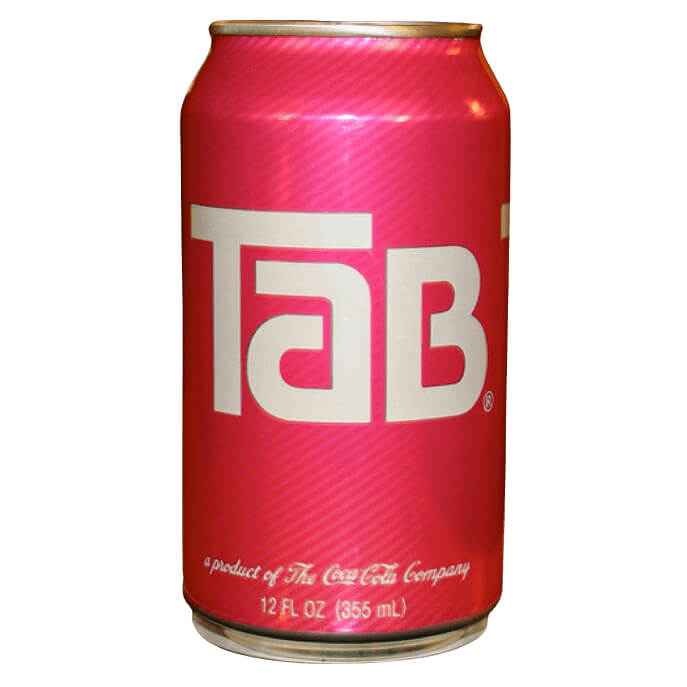
For many, the sound of a TaB can opening is inextricably linked to memories of poolside tanning and 70s fashion. It was a bold, fizzy statement of modern health, even if the flavor was an acquired, chemical-sweet taste.
Candy Cigarettes: The Controversial Sugar Sticks That Let Kids Play "Grown-Up"
While they would never fly today, Candy Cigarettes were a staple of every corner store in the 60s and 70s. These chalky, white sugar sticks usually had a pink-dyed tip to represent a "glow," and they came in boxes that looked remarkably like real tobacco brands. There was no real flavor to speak of beyond "sweet chalk," but that wasn't the point. They were a social prop, allowing kids to mimic the adults they saw in movies or at the dinner table.
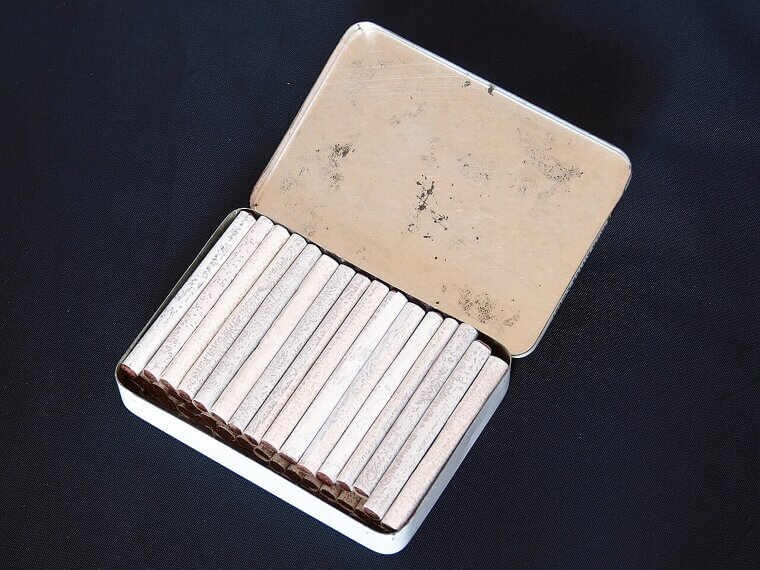
Whether you "puffed" the sugar dust or just chewed them up, they were a bizarrely normal part of childhood that highlighted just how much social norms have shifted since then.
Ding Dongs (in Foil): The Silver-Wrapped Treasure of the Lunchbox
There was a time when a Ding Dong wasn't just a snack; it was a gift. Before they were switched to plastic film, these chocolate-covered, cream-filled cakes were individually wrapped in thick, crinkly silver foil. Tearing into that foil felt like opening a piece of fine jewelry. The foil kept the thin chocolate shell perfectly crisp and cold, providing a satisfying "crack" when you took your first bite.
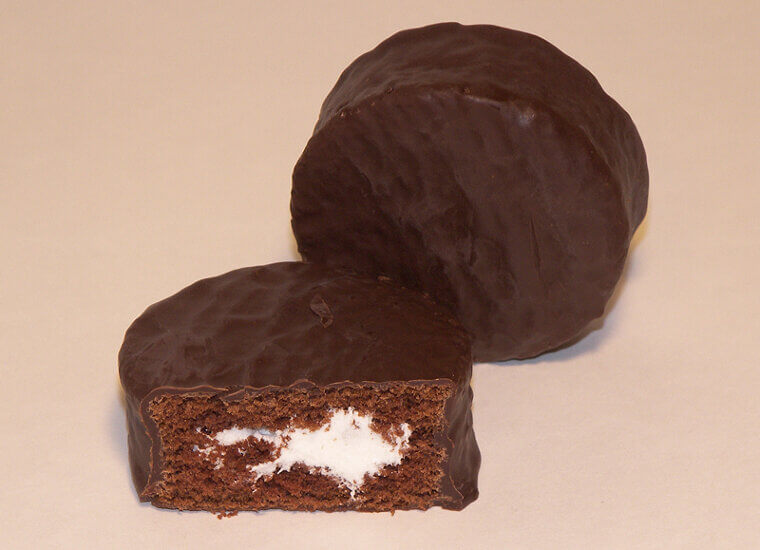
The contrast between the firm outer layer, the soft devil's food cake, and the fluffy white center was a masterclass in snack textures. Losing the foil wrap in the 80s felt like the end of an era for snack-time elegance.
Bit-O-Honey: The Tooth-Testing Taffy With the Real Almond Bits
Bit-O-Honey was the snack that required a serious time commitment. These long, flat bars of honey-flavored taffy were infused with tiny bits of toasted almonds, creating a chew that was incredibly dense and long-lasting. It wasn't a candy you could just eat quickly; you had to work for it, letting the warmth of your mouth soften the taffy until the honey flavor bloomed. It had a natural, earthy sweetness that felt more wholesome than the neon candies surrounding it.
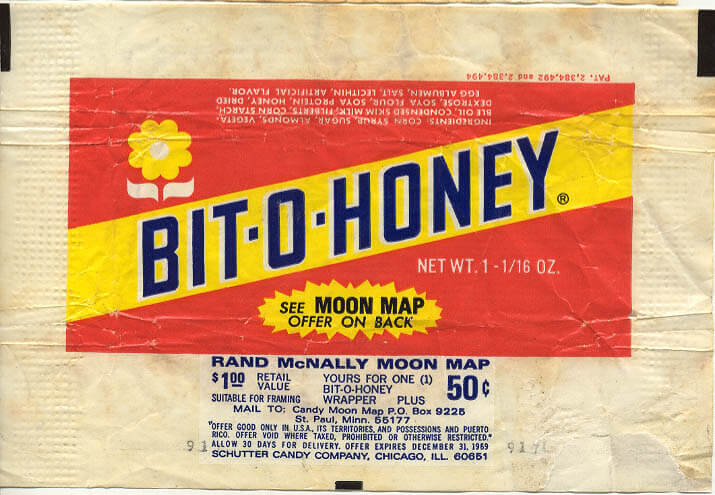
For kids in the 70s, it was the perfect "quiet snack"—the kind that kept your mouth busy for a solid twenty minutes while you read a comic book.
Tang: The "Drink of the Future" That Arrived in a Bright Orange Jar
Originally developed in 1957 but made famous by the Gemini and Apollo space missions, Tang was the orange-flavored powder that every 60s kid associated with astronauts. It had a tart, artificial citrus flavor that was much more intense than actual orange juice. Mixing a pitcher of Tang was a standard Saturday morning ritual; you’d watch the powder swirl into the water like orange smoke. It was the ultimate symbol of the "Space Age" kitchen, promising a concentrated blast of Vitamin C and energy.
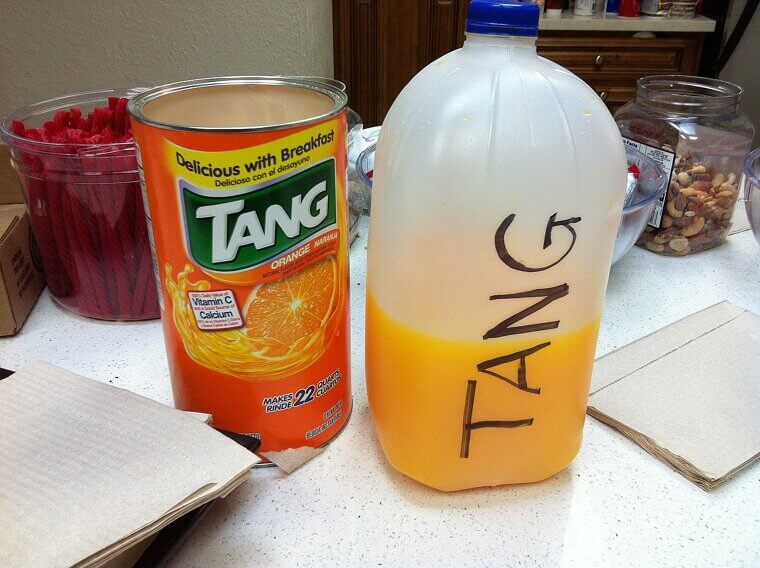
Even today, that specific, neon-orange color and the slightly gritty sweetness are enough to transport anyone back to a world of lunar landings.
Danish Go-Rounds: The Spiraled Pastry That Put Pop-Tarts to Shame
Kellogg’s Danish Go-Rounds were the more elegant, sophisticated cousin of the Pop-Tart. Instead of a flat rectangle, these toaster pastries were formed into a long, continuous spiral of dough with fruit filling nestled in the grooves. This "helical" design was revolutionary because it allowed for more crispy edges and a better crust-to-filling ratio. They were notoriously difficult to get out of the toaster without breaking, but the effort was worth it for the buttery, flaky texture.
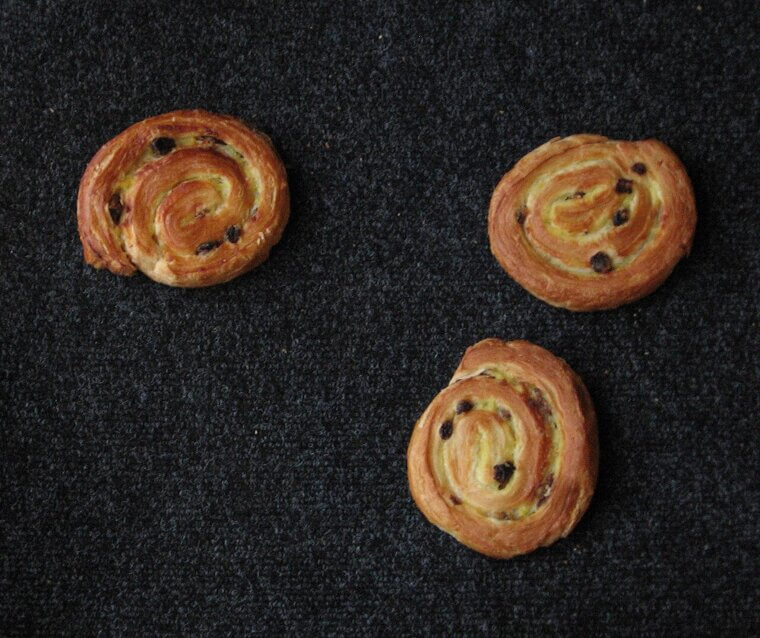
They felt less like a cracker and more like a real bakery pastry. Their disappearance in the mid-70s left many breakfast lovers longing for that perfect, circular bite of toasted strawberry goodness.
Pizza Spinners: The Crispy Snack That Looked Like Miniature Hubcaps
Pizza Spinners were a short-lived but beloved snack from General Mills in the late 60s. These were round, wheel-shaped corn chips that were heavily seasoned with "pizza flavor"—a mix of tomato powder, oregano, and salt. The shape was the real draw; they looked like tiny wagon wheels or pizza crusts, and they had a deep, satisfying crunch that was sturdier than a modern potato chip. They arrived during the initial "pizza craze" in America, trying to capture that Italian-American flavor in a portable box.
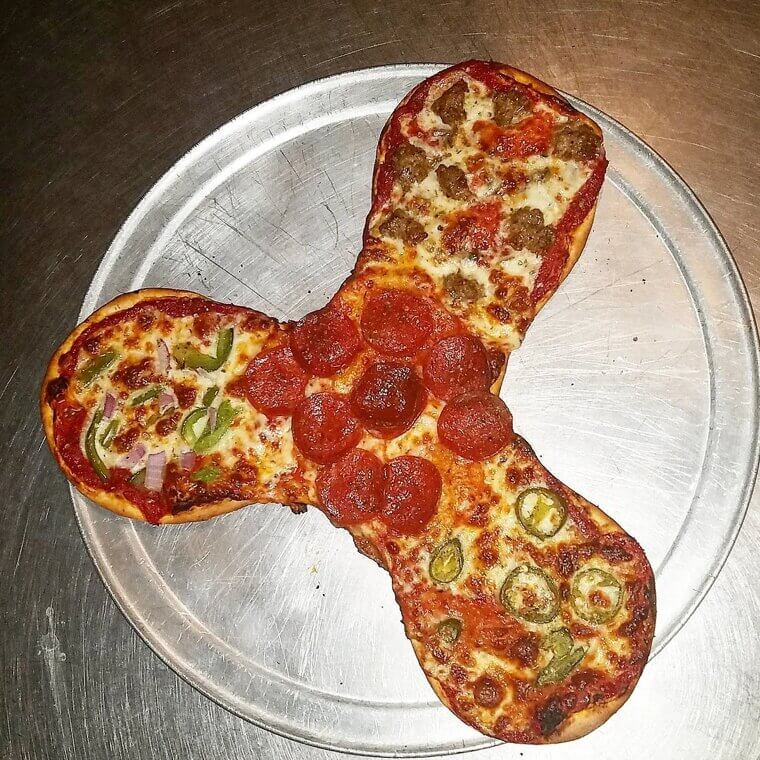
While they didn't last into the 80s, the savory, herb-forward scent of a freshly opened box is a core memory for many.
Clove Gum: The Spicy, Fragrant Stick That Smelled Like Grandma’s Kitchen
Like its cousin Teaberry, Clove Gum was a flavor that stood out for its intensity. It didn't taste like fruit or mint; it tasted like warm, pungent, earthy spices. First popular in the 20s and surviving well into the 70s, it was the kind of gum you’d find in the bottom of a grandmother's purse. It had a powerful aroma that could mask almost any other scent, which gave it a bit of a "rebel" reputation among older teens.
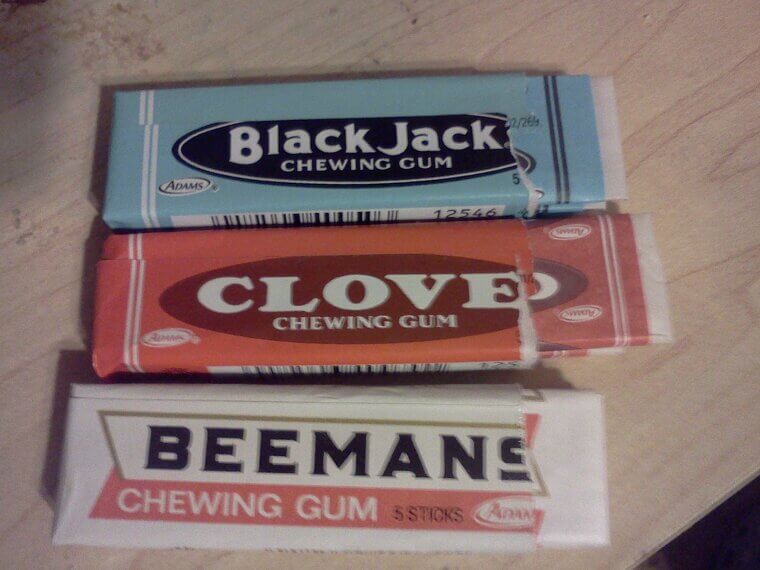
For children, it was a polarizing flavor—you either loved the spicy heat or you couldn't stand the medicinal pungency. It remains one of the most distinctive "old world" flavors to ever grace a candy counter.
Razzles: The Identity-Crisis Candy That Taught Us Evolution Is Delicious
"First it’s a candy, then it’s a gum!" That was the legendary slogan for Razzles, a treat that fundamentally confused and delighted 60s children. They started as hard, fruit-flavored discs that you could crunch like a SweetTart, but as you chewed, they underwent a chemical transformation into a soft, long-lasting bubblegum. It felt like a 2-for-1 deal that challenged the rules of the candy aisle. The original raspberry flavor was the gold standard, providing a tart explosion followed by a chewy reward.
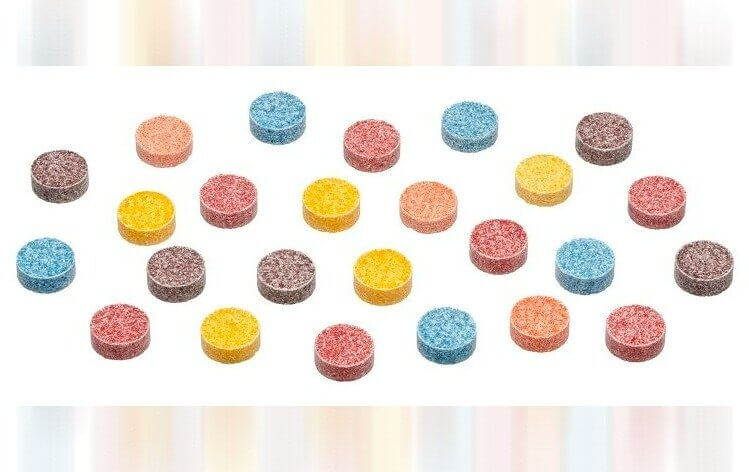
Razzles were the ultimate playground currency, proving that sometimes, you really can have it both ways when it comes to your sugar intake.
Shake ‘n Bake: The 70s Magic Dust That Turned Anyone Into a Chef
While technically a meal component, Shake ‘n Bake was a sensory phenomenon for kids who got to help in the kitchen. The process was legendary: you’d take a raw piece of chicken, toss it into the iconic plastic "shaker bag" filled with seasoned breadcrumbs, and shake it like your life depended on it. The rhythmic sound of the crumbs hitting the plastic was the soundtrack to a thousand Wednesday night dinners.
It promised "crispy" results without the mess of frying, and for many, that specific, salty, herb-heavy flavor remains the definitive taste of a 1970s home-cooked meal, complete with a side of canned green beans.
Hunt’s Snack Pack: The Sharp-Edged Joy of Metal Tins and Real Vanilla Swirls
Long before the plastic cups of today, the Hunt’s Snack Pack was a heavy-duty affair delivered in a small tin can with a pull-tab lid. There was a specific, metallic "ping" when you cracked that seal, followed by the dangerous excitement of licking the lid—a move only the bravest 70s kids dared to attempt. The pudding itself felt richer and more decadent than the modern versions, often sporting a slightly thicker skin on top that tasted like pure luxury.
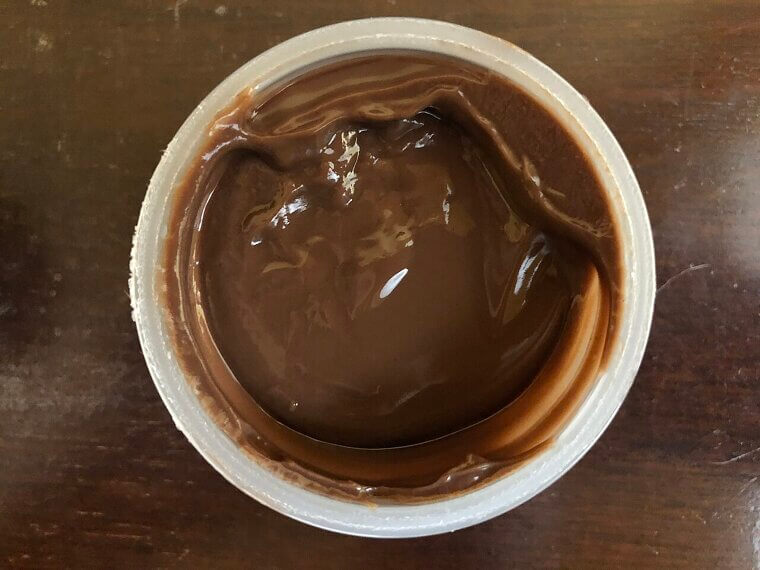
Whether it was the classic chocolate or the elusive butterscotch, eating pudding out of a can felt like a rugged, industrial treat that made every lunchbox feel like it contained a hidden treasure.
Choco’Lite: The Aero-Inspired Chocolate Bar That Tasted Like Sweet Air
Long before bubbly chocolate became a gourmet trend, the Choco’Lite bar was the airy king of the checkout lane. Produced by Nestlé, this bar featured milk chocolate that was whipped until it was full of tiny air bubbles and flecked with crispy bits of malted honeycomb. It had a unique "crunch-then-melt" sensation that made it feel much lighter than a solid Hershey bar. Because of the air pockets, the chocolate seemed to dissolve almost instantly, leaving behind the sweet, toasted taste of the malt.
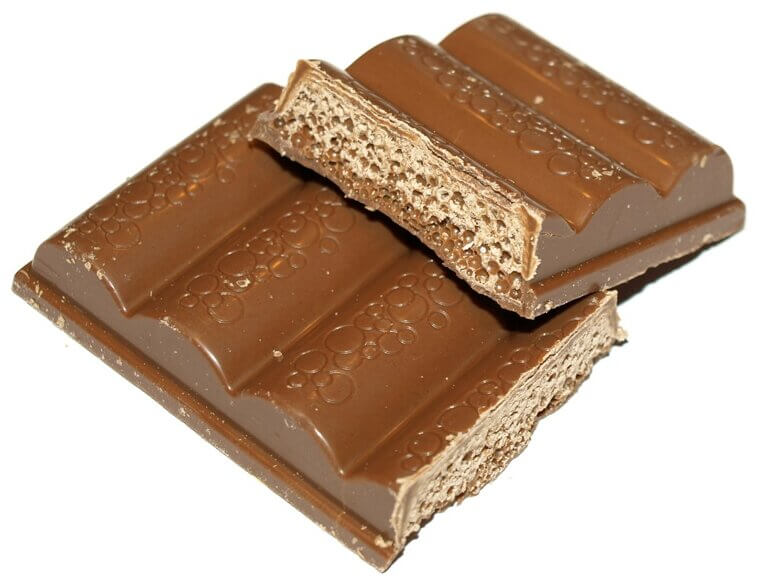
It was the perfect treat for someone who wanted the decadence of chocolate without the heavy, tooth-aching density of a traditional solid bar.
Hostess Tiger Tails: The Exotic, Striped Cousin of the Humble Twinkie
In the 70s, Hostess decided to give the Twinkie a wild makeover with Tiger Tails. These were essentially Twinkies that were elongated and topped with a stripe of orange-flavored frosting and chocolate "tiger stripes." Inside, the classic cream filling was often tinted orange or coconut-flavored. They felt incredibly exotic and special compared to the standard yellow cake, often sold in pairs in a clear wrapper. They were the "limited edition" superstars of the 70s snack world.
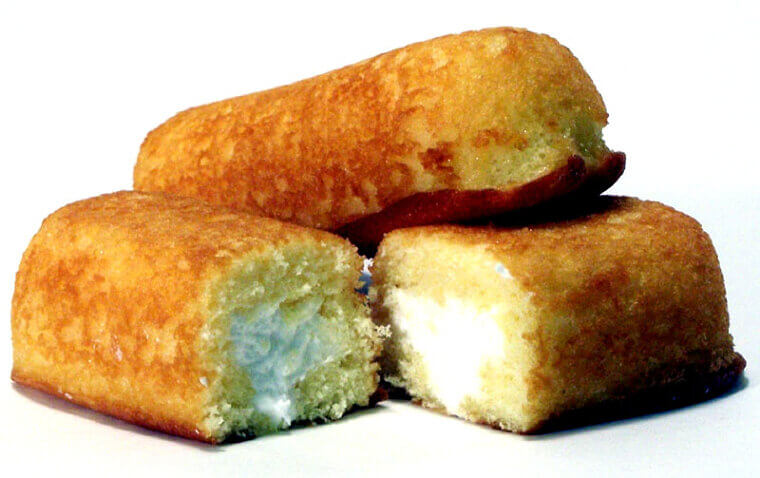
It brought a bit of jungle-themed excitement to the lunchroom. For those who remember them, the bright orange flavor was the perfect, zesty companion to the classic Hostess sponge cake.
Wacky Packages: The Sticker-Snacks That Parodied Everything in the Pantry
While you didn't eat the stickers themselves, Wacky Packages were the ultimate "snack-adjacent" collectible of the 70s. Found in packs of Topps bubblegum, these were satirical stickers that poked fun at famous household brands—like "Krust" instead of Crest or "Neveready" batteries. They were subversive, gross, and hilarious to 10-year-olds who loved seeing the "proper" brands their parents bought getting mocked. The gum that came with them was a hard, pink slab of shatter-prone sugar.
But the real prize was the sticker you’d inevitably peel and stick to your school notebook or your bedroom door, marking your territory with a bit of 70s-era punk-lite humor.
Screaming Yellow Zonkers: The Snack That Came With a Side of Surrealist Humour
Screaming Yellow Zonkers were perhaps the most eccentric item in the snack aisle, known as much for their bizarre, black packaging as their buttery glazed popcorn. The box was covered in weird illustrations, absurd "facts," and instructions for things like how to talk to your corn. It was the first snack that felt like it was in on the joke, appealing to the counter-culture spirit of the early 70s.
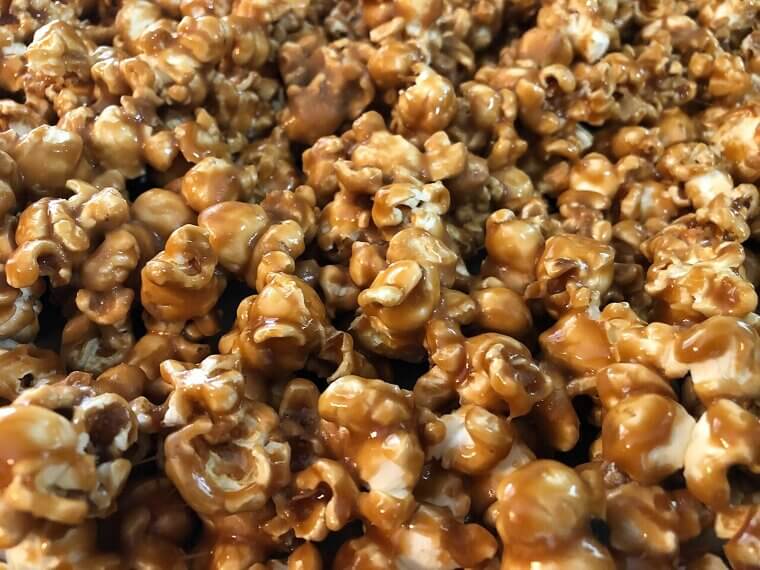
The popcorn itself was incredibly sweet and crunchy, providing a sensory overload that lived up to the loud name. Every handful felt like a rebellious act against the boring, beige snacks that came before them.
Jell-O 1-2-3: The Three-Layered Miracle That Defied the Laws of Physics
Jell-O 1-2-3 was a desert that felt like a magic trick. You’d mix a single packet of powder with water, pour it into glasses, and as it set in the fridge, it would miraculously separate into three distinct layers: a clear gelatin bottom, a creamy custard-like middle, and a fluffy mousse top. It was the peak of "space-age" food technology in the home kitchen. Every spoonful offered a different texture, making it feel like a fancy restaurant dessert served in your own dining room.
It was a staple of 70s dinner parties and birthday celebrations, proving that science could be delicious, wobbly, and incredibly pink all at the same time.
Mug-O-Lunch: The Instant Comfort That Proved Anything Could Come in a Pouch
The 1970s were the golden age of convenience, and nothing screamed "modern living" like Mug-O-Lunch. These were pouches of dehydrated noodles or macaroni in various sauces—like beef or cheese—designed to be stirred into boiling water inside a standard coffee mug. It was the ultimate latchkey kid snack, offering a warm, salty meal in under five minutes. The texture was often a bit soft, and the sauce was incredibly thick.
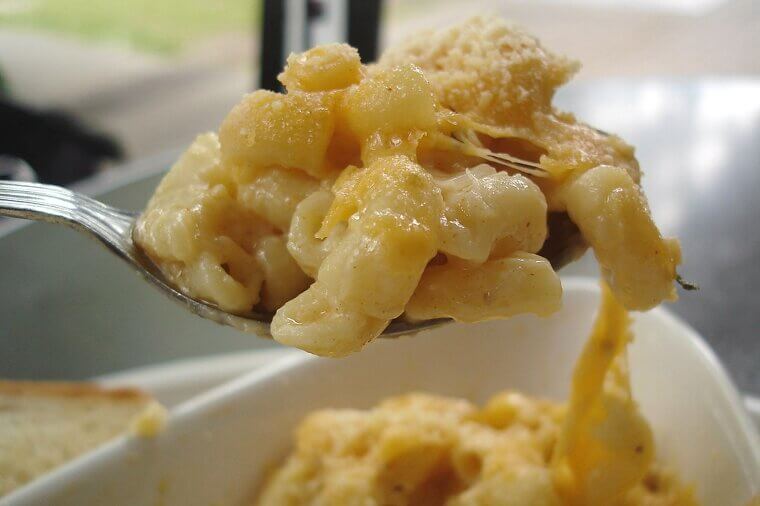
But there was something profoundly cozy about clutching a warm mug of Mac and Cheese while watching game shows. It was the precursor to the modern "cup of soup" culture, but with way more 70s flair.
Koogle: The Peanut Butter Spread That Tried to Be Everything at Once
In the early 70s, Kraft decided that regular peanut butter was simply too boring, so they gave us Koogle. This was a "flavored peanut spread" that came in varieties like chocolate, cinnamon, vanilla, and even banana. The mascot was a giant, goofy creature with oversized eyes, and the texture was surprisingly gritty compared to smooth Jif. It was essentially the American ancestor of Nutella, though much more focused on the peanut base.
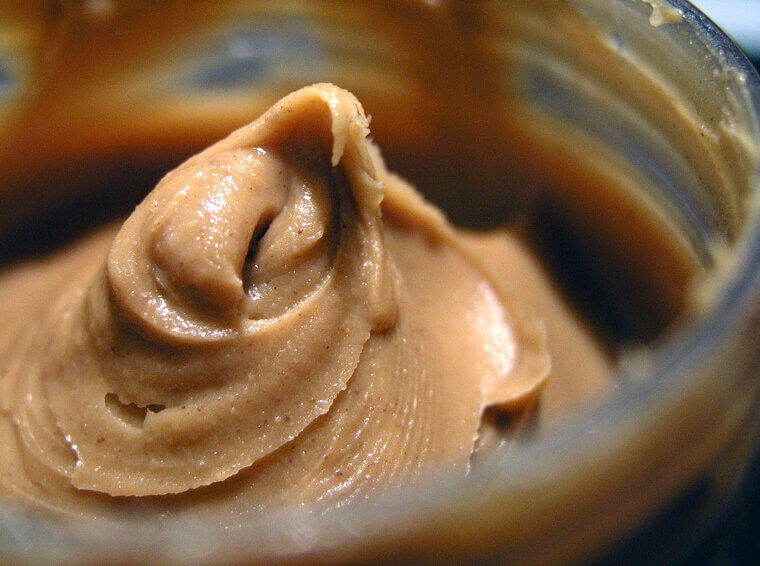
Kids loved it because it turned a standard PB&J into something that tasted like a cookie. It was a short-lived experiment, but the sight of that swirling Koogle jar remains a potent memory for anyone who grew up then.
Gatorgum: The Thirst-Quenching Chew That Made Your Mouth Water
Before Gatorade was a billion-dollar empire, it branched out into the weird world of confectionery with Gatorgum. Marketed to athletes (and kids playing kickball in the street), this gum was designed to "quench your thirst." It had a powerful, tart lemon-lime flavor that triggered an immediate, massive flow of saliva—hence the thirst-quenching claim. The flavor was intense but famously short-lived, disappearing in about sixty seconds, which usually led to kids chewing through an entire pack in a single afternoon.
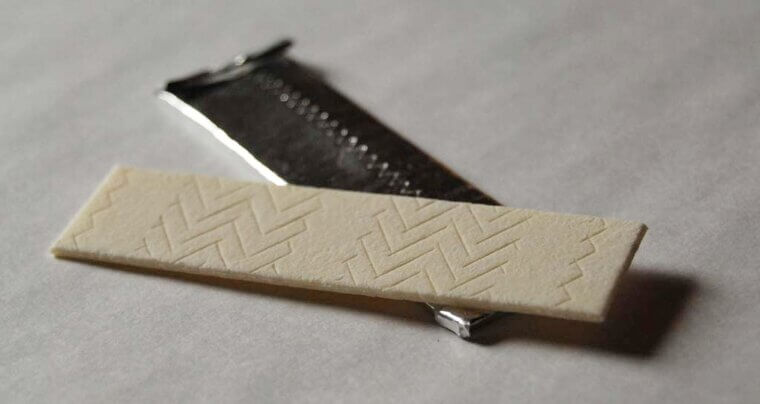
It was a sour, mouth-puckering experience that felt more like a sports supplement than a candy, making you feel like a pro athlete with every chew.
Milk Mate: The Squeeze-Bottle Secret to Instant Chocolate Bliss
Before every fridge had a pre-mixed gallon of chocolate milk, we had Milk Mate. This was a thick, liquid chocolate concentrate that came in a distinctively shaped yellow squeeze bottle. Unlike powders that left gritty clumps at the bottom of the glass, Milk Mate swirled into cold milk with a satisfying, lava-like flow, integrating perfectly. It had a very specific, slightly malty richness that felt more sophisticated than the competition.
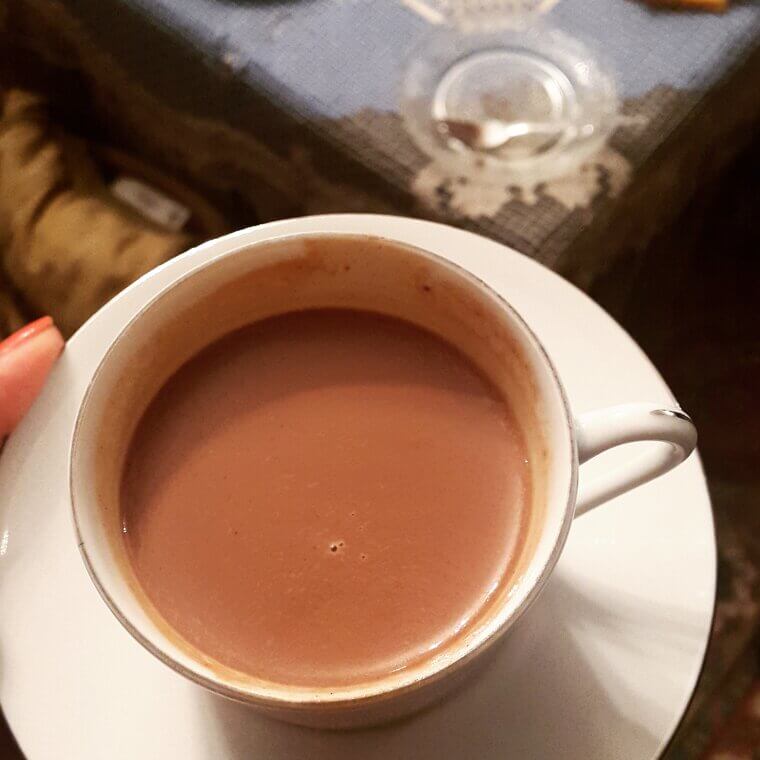
Squeezing the bottle to create "chocolate art" in your milk was half the fun. It turned the chore of drinking milk into a customizable, dark-swirled masterpiece that tasted like a melted milkshake from a local diner.
Fruit Brute: The Forgotten Monster Cereal With the Howling Good Flavor
Everyone remembers Count Chocula and Franken Berry, but the true 70s connoisseur remembers Fruit Brute. This was the fourth installment in General Mills' Monster Cereal line, featuring a colorful werewolf mascot and a fruit-flavored cereal with "lime marshmallows." It was incredibly bright, incredibly sweet, and had a distinctive citrusy tang that set it apart from the more traditional berry flavors. Though it was discontinued in the early 80s, it is not forgotten.
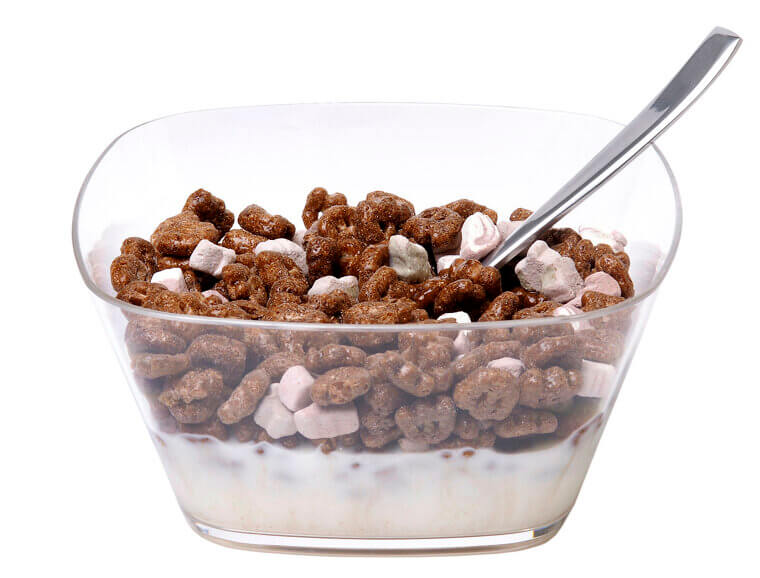
Its vibrant packaging and the strange combination of lime and oat cereal have made it a legend among cereal historians. It represents the peak of the "sugar-coated cereal" era, where the box art was just as important as the crunch.
Burger Chef Funmeals: The Original Pioneer of the Boxed Kids' Meal
Long before the Happy Meal became a global phenomenon, Burger Chef was the king of the "Funmeal." These were the first fast-food meals specifically designed for children, arriving in a colorful box covered in puzzles, riddles, and the adventures of Burger Chef and Jeff. The real draw, of course, was the plastic toy hidden inside—often a spinning top or a small figurine. There was a specific smell to the cardboard box, a mix of hot fries and fresh ink, that created an instant sense of celebration.
It turned a quick dinner into a localized carnival, setting the stage for every fast-food kids' toy craze that would follow in the decades to come.
General Foods International Coffees: The "Fancy" Passport to European Flavor
In the 70s, if you wanted to feel like a jet-setter without leaving your kitchen, you reached for the small tin of General Foods International Coffees. Varieties like Suisse Mocha or Cafe Francais promised a European cafe experience in instant form. These were incredibly sweet, creamy powders that transformed a cup of hot water into a frothy, dessert-like beverage. For kids, being allowed a small sip of Mom’s "fancy coffee" felt like an invitation into the adult world.
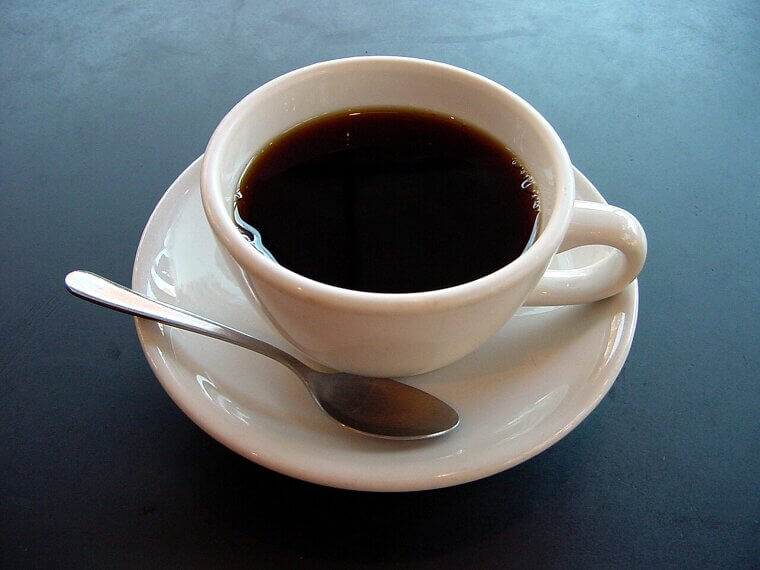
The tins were iconic, often saved and repurposed for buttons or loose change, and the specific, floral-chocolate aroma of the Mocha version is the definitive scent of a 1970s living room.
Funny Face Drink Mix: The Quirky Rival to the Kool-Aid Man’s Throne
In the mid-60s, Pillsbury launched Funny Face, a powdered drink mix designed to compete with Kool-Aid. What made them iconic were the characters: "Goofy Grape," "Rootin' Tootin' Raspberry," and "Lefty Lemonade." Each flavor had a massive, cartoonish face on the packet with a distinct personality. The packets were smaller and the flavors felt a bit more "wild" than the standard competition. For a few years, these characters were everywhere, appearing on mugs, pitchers, and even inflatable toys.
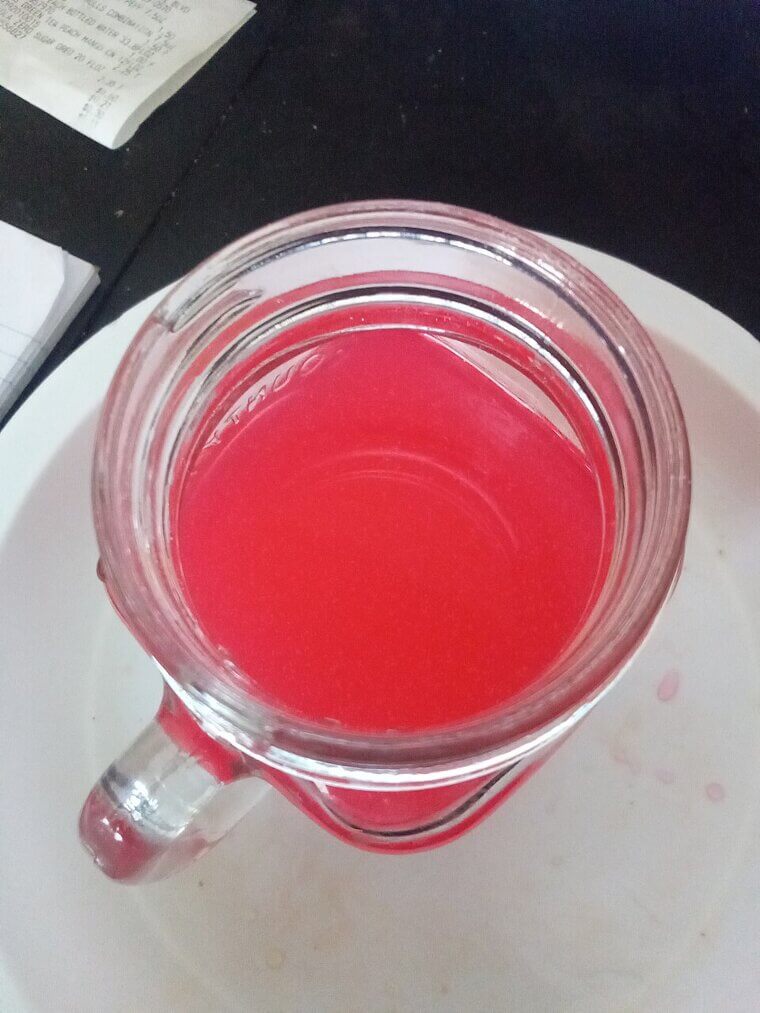
They brought a sense of humor to the simple act of mixing a drink, making the kitchen feel more like a Saturday morning cartoon set than a place for chores.
Mug-O-Milk: The Instant Magic That Made Milk Taste Like a Carnival
Mug-O-Milk was a flavored powder designed to be stirred into a warm mug of milk, popular in the cooler months of the 70s. While chocolate was the standard, they offered weird and wonderful flavors like strawberry, vanilla, and even "banana split." It was marketed as a cozy, bedtime snack that was more substantial than a soda but more fun than plain milk. The powder dissolved into a thick, frothy foam on top, making every sip feel like you were drinking a warm, melted milkshake.
It was the ultimate comfort food for a kid who just wanted something sweet and warm after a day of playing in the snow.
IceBird: The Liquid-Filled Plastic Sword of Every 70s Summer
The IceBird (and its various "Pop-Ice" cousins) was the ultimate low-budget summer savior. These were long, thin plastic sleeves filled with colored sugar water that you bought in a liquid state and froze at home. They were famous for being sold in massive packs for just a couple of dollars. Eating them involved snicking off the top with scissors and squeezing the frozen tube upward. The plastic edges were notoriously sharp, often leaving little "joker scars" at the corners of your mouth.
But we didn't care. They were the taste of freedom—cheap, icy, and bright blue, providing the perfect cooling system for a long afternoon of neighborhood hide-and-seek.